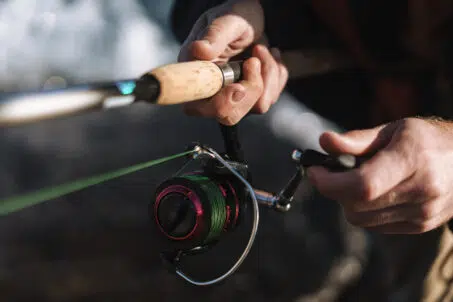
Surf fishing is an invigorating blend of action and patience, set against the backdrop of the open sea where the waves meet the shore. For anyone drawn to this dynamic edge of water and land, the right equipment is essential, starting with the surf fishing rod. Unlike rods designed for calm lake or river environments, surf fishing rods are built to tackle the abrasive conditions of saltwater and the powerful forces of ocean waves.
This guide will walk you through the various types of surf fishing rods available—from spinning and casting rods to specialized fly fishing rods—each offering unique advantages for different styles of surf fishing. Choosing the right surf fishing rod is crucial; it not only impacts your fishing effectiveness but also enhances your overall experience by the shore. Let’s explore how to select the best surf fishing rod to elevate your next seaside adventure.
Understanding Surf Fishing Rods
A surf fishing rod is a vital piece of equipment for anglers who fish in the surf, right at the edge of the ocean where the waves crash onto the shore. Unlike other types of fishing rods, surf fishing rods are designed specifically to handle the challenging conditions of saltwater environments and the unique demands of casting from the shoreline into powerful ocean waves.
Surf fishing rods are generally longer than freshwater rods, often ranging from 9 to 15 feet. This length allows anglers to cast their line far beyond the breaking waves where many types of game fish tend to feed. The length also helps in fighting the surf to keep the line from being pulled back toward the shore by the retreating waves.

Another distinguishing feature of surf fishing rods is their durability. They are built to withstand the corrosive effects of saltwater and the physical strain of wrestling large fish out of the ocean’s currents. The materials used in surf rods, such as high-grade graphite or composite blends, ensure they can endure the harsh marine environment while maintaining flexibility and strength.
Types Of Surf Fishing Rods
Surf fishing rods are designed to meet the varying demands of the sport, with each type tailored for specific techniques and target species. The main types of rods used in surf fishing include spinning rods, casting rods, and specialized fly fishing rods, each offering distinct advantages and challenges.
Surf Spinning Rods
Spinning rods are the most commonly used among surf anglers due to their ease of use and flexibility in handling various fishing conditions. These rods are designed with the reel and guides on the underside, which many find more comfortable, especially during lengthy casting sessions. Spinning rods are particularly well-suited for beginners but remain a favorite among experienced anglers as well. They excel in casting lighter baits and lures, which makes them versatile for targeting a range of fish sizes from smaller schoolies to decently sized stripers. The main drawback of spinning rods is their limitation with very heavy lures or baits, which might be necessary for targeting larger species.
Surf Casting Rods
Casting rods, also known as baitcasting rods, are favored by those who prioritize power and precision in their casting, especially when dealing with heavier lures or baits. Unlike spinning rods, casting rods position the reel and guides on top of the rod, which helps generate a more powerful cast. This setup is ideal for surf anglers looking to cast at greater distances or needing extra force to battle larger fish such as drum or large stripers. The precision of casting rods is particularly useful for aiming at specific spots in the surf where fish are active. However, they do come with challenges; mastering a casting rod requires dealing with a steeper learning curve due to issues like line tangles and backlashes, which can intimidate novice anglers.
Fly Fishing Rods For Surf Fishing
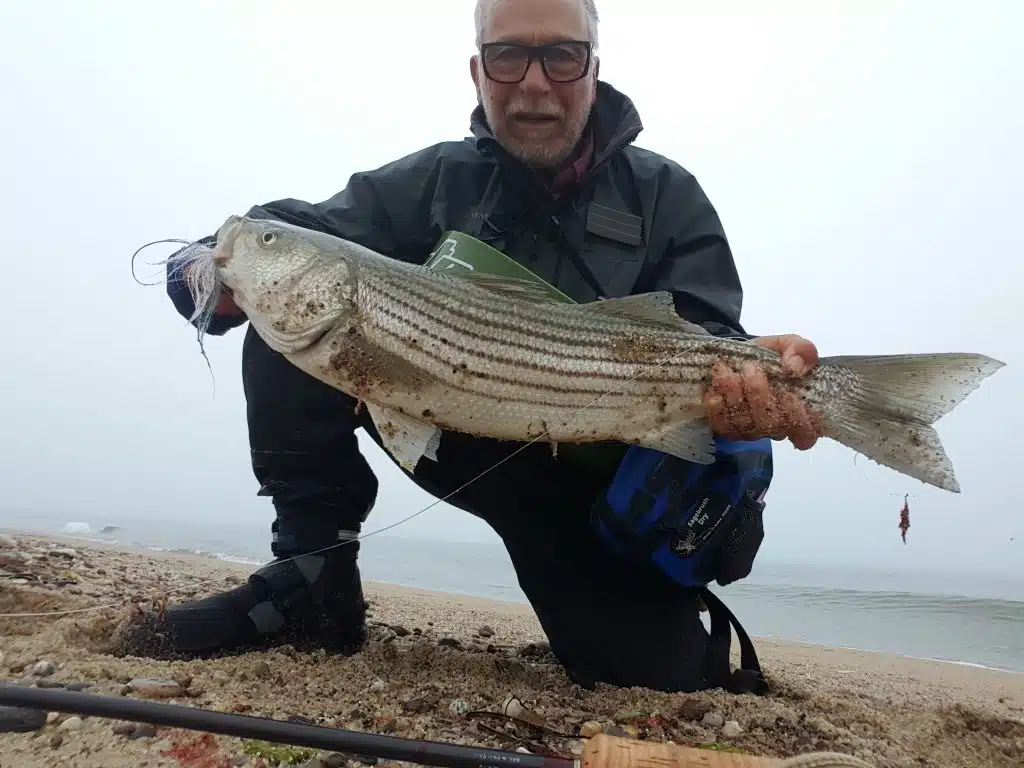
Fly fishing rods for the surf offer a unique challenge in surf fishing. These rods are generally longer and more flexible than traditional surf rods, designed specifically for casting fly lines and artificial flies into the surf. Targeting species like sea trout and striped bass with a fly rod brings an element of skill and finesse to surf fishing that is quite different from using bait or conventional lures. The rewards of fly fishing in the surf can be significant, providing a highly satisfying experience under the right conditions.
Factors To Consider When Choosing A Surf Fishing Rod
Choosing the right surf fishing rod is crucial for a successful day by the ocean, and several factors can influence your decision. These factors include the rod’s length, power, action, material, and handle type, each playing a critical role in how the rod will perform under specific conditions.
Length
Length is one of the most important aspects to consider. Surf fishing rods typically range from 9 to 15 feet. Longer rods allow for longer casts, essential for reaching fish that are feeding beyond the breaking waves. However, longer rods can also be heavier and more challenging to handle, which might tire an angler more quickly. The choice of rod length largely depends on the specific beach geography and the type of fishing you plan to do.
Power
Power refers to the rod’s resistance to bending under pressure. Surf rods generally range from medium to heavy power, which allows them to handle the large baits and lures commonly used in surf fishing and to fight the large fish that live in surf environments. A heavier power rod can handle bigger fish and heavier lines, but it might lack the sensitivity needed to detect smaller bites.
Action
Action describes where a rod flexes along the blank. Faster action rods flex mainly near the tip, while slower action rods flex down into the butt of the rod. A fast action is beneficial in surf fishing because it gives better sensitivity and faster power for setting the hook. It also allows for more precise casts. However, a rod with too fast an action might not have the necessary durability to handle big fish or tough conditions.
Rod Blank Material
Material used in constructing the rod affects both its performance and durability. Most surf fishing rods are made from either fiberglass, graphite, or a composite of both. Fiberglass rods are durable and can endure the rough treatment often encountered in surf fishing but tend to be heavier. Graphite rods are lighter and provide better sensitivity and stiffness, ideal for detecting bites and fighting fish. Composite rods aim to offer the best of both, balancing sensitivity with durability.
How To Build A Surf Fishing Rod
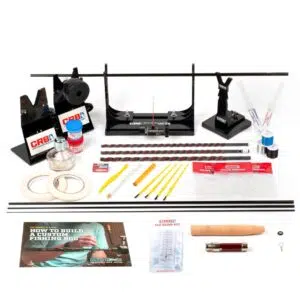
Building a surf fishing rod is a rewarding endeavor that allows you to tailor your equipment to your specific needs and preferences. The process begins with selecting the right rod blank, the core of your rod. For surf fishing, opt for a longer blank, typically between 9 to 15 feet, made from durable materials like fiberglass, graphite, or a composite of both, to handle the demanding surf environment and provide the necessary casting distance.
Once you have your blank, you’ll need to choose the additional components. This includes the guides, reel seat, and handle. Guides should be durable and able to accommodate heavier line weights common in surf fishing; spacing them correctly along the blank is crucial for optimal performance. The reel seat should be robust and made from corrosion-resistant materials, securely attached to the rod to handle the stress of casting and catching large fish. For the handle, you have the choice between cork and EVA foam, both of which offer durability and comfort for long sessions but vary slightly in grip and texture.
The assembly process involves attaching the guides, securing the reel seat, and fitting the handle. Guides are typically spaced wider at the handle and gradually closer towards the tip to maintain better line control. After positioning, each guide is secured with thread wraps, which are then coated with a rod finish to protect against water and wear. The reel seat is usually positioned around the bottom third of the rod for optimal balance and is glued in place, as is the handle, which may also require shaping to fit comfortably in your hand.
Final Thoughts
Remember, the key factors in choosing a surf rod include considering the rod’s length, power, action, and the materials from which it is made. These elements will influence how well the rod meets the demands of the surf environment—balancing durability against sensitivity and strength against flexibility. Additionally, the right rod should feel comfortable in your hands, suit your casting style, and withstand the harsh conditions of saltwater fishing.
Ultimately, the best surf fishing rod is one that not only fits the technical specifications you need but also feels right in your hands, enhancing your connection to the environment and the sport. With the right rod, each cast into the surf becomes a potential for a new adventure, bringing you closer to mastering the art of surf fishing. So, take the time to choose wisely, and prepare for countless rewarding days on the coast with the surf roaring in the background and the anticipation of the next big catch.