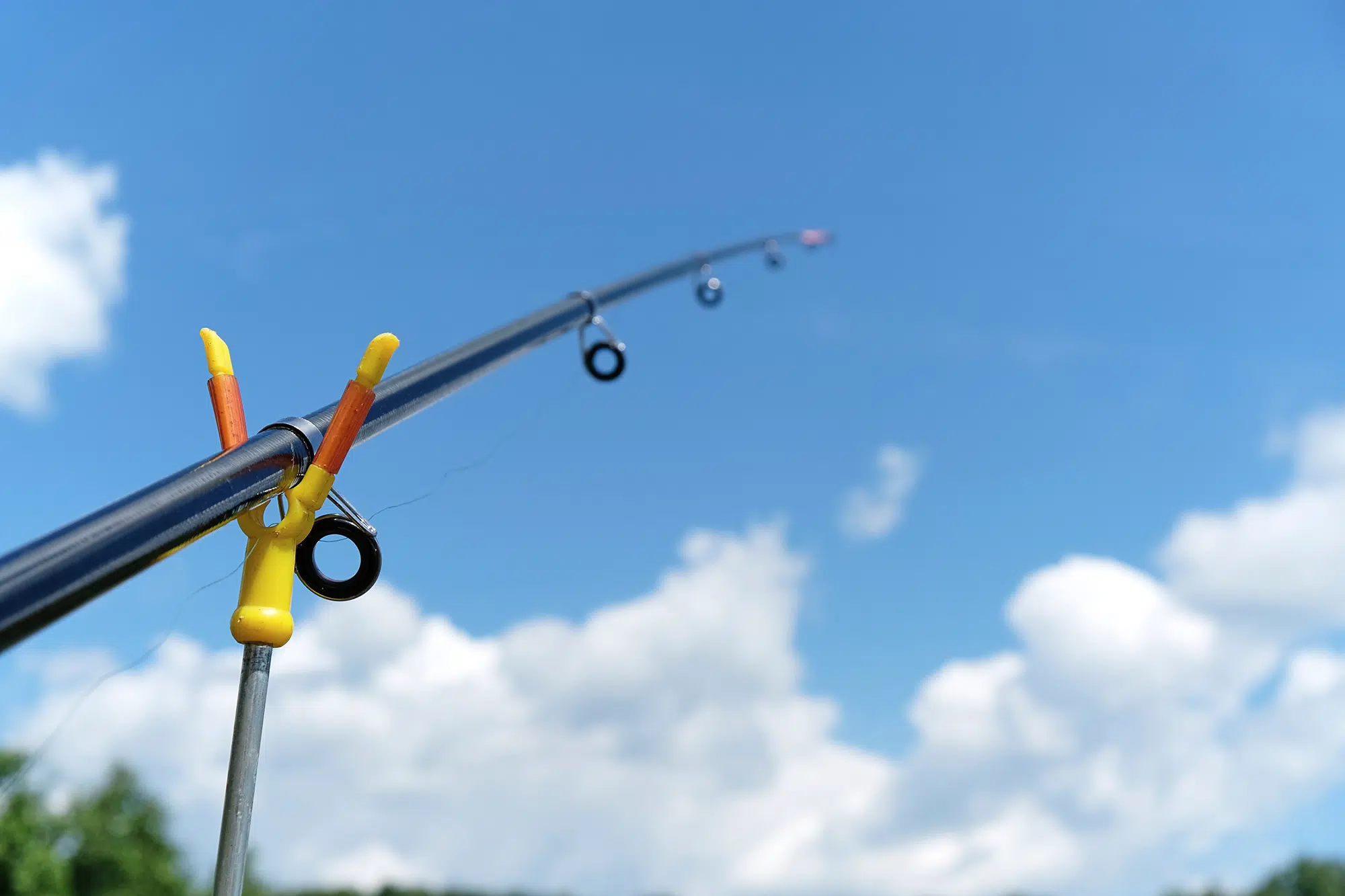
A guide system is not just a row of guides placed along a blank. It is the path the line follows every time the rod is cast, loaded, retrieved, or fought under pressure. When that path is planned well, the finished rod feels cleaner and more controlled. When it is treated casually, even a strong blank and good components can feel less refined than they should.
That is why Fuji guide systems deserve practical explanation. Builders often hear terms such as guide train, reduction train, running guides, choke point, KR Concept, and New Guide Concept, but the value of those ideas can be lost if they are treated like technical labels instead of build decisions. Retail staff face a different version of the same challenge. Customers may not ask for a full explanation of guide layout theory, but they do ask why certain guide families are used, why guide size changes across the rod, and why a premium guide system may make sense for a specific build.
The goal is not to make every shop employee a custom rod engineer. The goal is to understand the basic logic behind guide systems well enough to explain the category accurately, support better component choices, and avoid turning guide selection into guesswork.
A guide system starts with line control
Every guide system has one basic job: control the line as it travels between the reel and the rod tip. That sounds simple, but line behavior changes depending on reel type, line material, blank length, casting style, and intended application.
On a spinning rod, line leaves the reel in coils and needs to be controlled quickly enough to reduce excess movement before it travels through the smaller guides farther up the blank. On a casting rod, line leaves the reel differently, so the guide train does not have to manage the same coil pattern. That difference is one of the reasons spinning and casting rods use different layout logic.
A good guide system helps the line move in a more controlled path. It can also help reduce unnecessary line contact, improve the feel of the finished rod, and support the way the blank is intended to work. Those outcomes depend on the full layout, not just the first guide or the final tip top.
For builders, this means guide selection should be connected to the reel, blank, line, and fishing application. For retailers, it means guide systems should be explained as part of rod performance and component matching rather than as decorative hardware.
Fuji systems are built around layout logic
Fuji guide systems are widely discussed because they are not just individual guide models. They are also tied to layout concepts that help builders think through how guides should work together.
That distinction matters in retail and custom-building conversations. A builder choosing guides is not only choosing ring materials, frame finishes, or sizes. They are also deciding how the guide train will control line flow across the rod. Fuji systems give builders a structured way to think through that process.
In practical terms, a guide system helps answer several connected questions. Where should line control begin? How quickly should line be reduced or directed? Which guides should handle the transition? What running guide size makes sense farther up the blank? How does the layout support the intended line, reel, and application?
The value is not that every build must follow one rigid formula. The value is that the builder has a tested framework for making guide choices instead of placing components by habit or appearance alone.
New Guide Concept and KR Concept solve different layout problems
Two Fuji terms builders often encounter are New Guide Concept and KR Concept. They should not be treated as interchangeable phrases. Both relate to guide layout thinking, but they represent different stages in how Fuji guide systems have developed.
New Guide Concept helped move builders toward a more systematic approach to guide placement and line control, especially on spinning layouts. KR Concept later refined the discussion around faster line control, smaller running guides, and layouts suited to modern lines and more compact guide trains. The exact layout still depends on the blank, reel, line, and application, but the underlying purpose remains practical: manage the line more efficiently through the system.
For retailers, these concepts do not need to be explained with unnecessary complexity. A customer or newer builder mainly needs to understand that Fuji guide systems are designed around how line behaves, not only how guides look. That explanation is often enough to make the category less intimidating.
The more technical details matter most when helping builders choose reduction guides, running guides, tip tops, or layout support tools. At that point, staff should avoid guessing and guide the customer toward proper Fuji resources, charts, or technical support.
Reduction guides and running guides do different jobs
One reason guide systems become confusing is that customers often think of all guides as doing the same thing. In reality, guides in different positions along the rod have different responsibilities.
Reduction guides are most important near the reel, especially on spinning rods, where they help control line as it comes off the spool. Running guides farther up the blank continue the line path toward the tip once the line has been controlled. The tip top completes the path at the end of the rod and must match the intended line, blank, and build style.
These roles matter because the wrong guide in the wrong position can affect the finished rod. A guide may be high quality on its own and still be poorly matched to the layout. A running guide is not chosen for the same reason as a reduction guide. A tip top is not simply the final guide in smaller form. Each position has a job.
| Guide System Area | What It Does | Why Builders and Retailers Should Care |
| Reduction section | Begins controlling line flow near the reel | Affects how line enters the guide train |
| Transition area | Moves line from reduction into running guides | Helps smooth the path through the system |
| Running guides | Carry the line along the upper blank | Influences weight, line path, and finished feel |
| Tip top | Completes the line path at the rod tip | Must match tube size, ring size, and application |
| Layout support | Helps determine placement and spacing | Reduces guesswork during planning |
This kind of simple distinction helps staff explain why guide systems are planned as a complete layout instead of a handful of individual parts.
Line type affects guide system decisions
Modern line choices have changed guide conversations. Braided line, monofilament, and fluorocarbon do not behave exactly the same way during casting and retrieval. Braid in particular has influenced guide layout discussions because it is thin, low stretch, and often used in applications where line management and guide quality become more noticeable.
A guide system should account for how the angler actually fishes. A light-line spinning build may not need the same layout as a heavier inshore setup. A surf rod, finesse bass rod, or ultralight rod will each create different priorities around line path, guide height, running guide size, durability, and finished weight.
This does not mean every customer conversation needs to become technical. But line type is one of the first questions builders and staff should consider when guide choice becomes more than a simple repair match. If the line and application are not part of the discussion, guide selection becomes less reliable.
Weight matters, but it is not the only concern
Guide systems influence finished rod weight, and weight can affect feel. Smaller, lighter guide trains may help a rod feel more responsive in some applications, especially when matched properly to the blank and line. But lighter is not automatically better in every build.
A rod designed for heavy saltwater use, strong drag pressure, surf casting, or rough handling may need a different balance between weight savings and durability. A builder choosing a guide system should compare the intended fishing pressure before choosing the lightest possible option. Store staff should be careful not to present weight reduction as a universal answer.
This is where practical understanding matters. A guide system should support the rod’s purpose. If the finished rod needs sensitivity and crisp recovery, weight may become a major priority. If the rod needs ruggedness, lifting confidence, or durability under repeated stress, frame strength and application fit may matter more.
The right guide system is not the lightest system by default. It is the system that fits the blank, reel, line, and fishing job.
Retailers should explain systems before selling models
One mistake in guide merchandising is leading with too many model names too quickly. Experienced builders may know the exact Fuji frames or guide families they want, but many retail customers and newer builders need a clearer starting point.
A better retail conversation begins with the system. What kind of rod is being built? What reel will be used? What line matters? What application is the customer trying to support? Once those questions are answered, guide models become easier to discuss.
This approach also helps staff avoid overpromising. Rather than saying one guide is simply better than another, staff can explain that different guides serve different positions and applications within the full layout. That keeps the conversation accurate and reduces the risk of unsupported claims.
For Anglers Resource trade customers, this is where Fuji guide system education can support better retail conversations. The product category becomes easier to sell when the shop can explain why guides are chosen together instead of one at a time.
Guide systems affect stocking strategy
A retailer carrying Fuji guides should think beyond individual SKUs. The store needs to decide whether it is supporting repairs, custom builds, builder replenishment, premium upgrades, or all of those use cases.
A repair-focused shop may need common replacement guides, tip tops, and related repair supplies more than deep guide system inventory. A builder-focused retailer may need broader coverage across reduction guides, running guides, tip tops, and related components. A store serving both audiences may need a carefully organized mix so customers can distinguish repair products from build-planning inventory.
This is why guide systems should influence stocking strategy. If the store wants to support KR Concept conversations, it needs to carry or source the parts that fit that discussion. If the shop mainly handles repairs, the assortment should reflect the guide and tip-top issues customers bring in most often. If staff are not ready to explain advanced layouts, the category should grow in stages rather than all at once.
Good stocking is not about carrying every Fuji guide available. It is about carrying and sourcing the products that match the shop’s customers, staff knowledge, and category goals.
Layout tools and support reduce guesswork
Guide layout is one of the areas where guessing can create real problems. Even experienced builders test, adjust, and verify before final wrapping. Newer builders need structure, and retail staff need a way to point customers toward reliable support rather than improvising measurements at the counter.
This is where guide placement resources, spacing tools, and education become useful. They help builders think through placement more carefully and give retailers a safer way to support technical questions. A shop does not need to solve every layout question on the spot, but it should know where to direct the customer for dependable information.
Anglers Resource supports this technical pathway through Fuji-related resources and guide placement support, including KR Guide Placement tools. That kind of support matters because guide systems work best when the builder understands both the parts and the layout logic behind them.
Fuji authority should be shown through clarity
Fuji has strong recognition among rod builders, but recognition alone does not make the category easy for retail customers to understand. The strongest shops translate that authority into clear explanations.
That means avoiding vague claims such as “better guides” or “best performance.” It is more useful to explain that Fuji guide systems are built around line control, layout structure, application fit, and guide roles within the full train. Those are practical ideas a builder or customer can understand.
Clarity also protects trust. When staff explain what they know and avoid guessing where layout details become more technical, customers are more likely to respect the recommendation. This is especially true when working with premium components, where buyers expect a higher level of care.
A shop does not need to turn every guide conversation into a technical seminar. It needs to know enough to guide the customer honestly and connect them to the right product pathway.
Better guide system knowledge leads to better builds
Fuji guide systems matter because they help builders think beyond individual components. A finished rod depends on how the blank, reel, line, guides, tip top, and layout work together. When the guide train is planned as a system, the build has a better foundation.
For retailers, that understanding creates better customer conversations. Staff can explain why guide placement matters, why different guide positions have different jobs, and why a recognized system may be relevant for builders who care about line control and finished rod feel.
The practical lesson is simple. Do not sell guides as isolated parts when the customer is really building or repairing a rod system. Start with the rod’s purpose, match the guide train to the reel and line, use proper layout support, and choose components that make sense for the application.
That is how Fuji guide system knowledge becomes useful at the counter, on the builder’s bench, and in the finished rod.