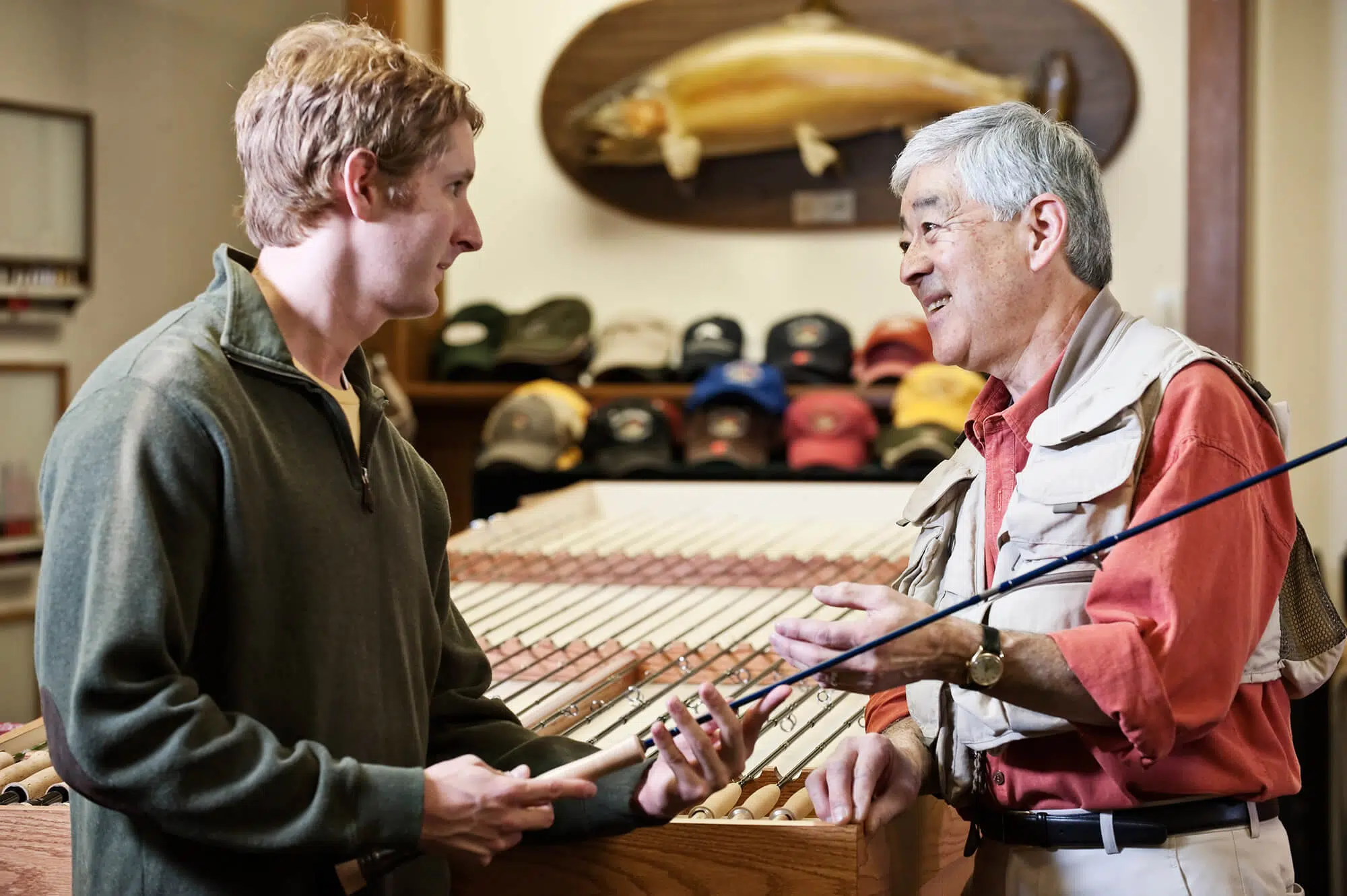
Every wholesale order shapes what a tackle shop can sell, explain, repair, and stand behind. A buyer is not just filling shelves when choosing a supplier. They are deciding which product lines deserve staff attention, which categories are worth building around, and which wholesale relationships will still make sense when a customer comes back for a replacement part, a repair question, or a more technical recommendation.
That is why comparing wholesale fishing tackle suppliers should go beyond catalog size and opening price. A broad distributor may be useful for replenishing common inventory, but a specialty shop also needs category fit, reorder confidence, technical support, and products that match the way the store actually serves anglers. A supplier that looks strong on paper can still create problems if its product range is scattered, its core items are difficult to reorder, or its categories are too difficult for staff to explain.
For specialty retailers, the better question is not simply, “Who carries the most?” It is, “Which supplier helps this business buy with better judgment?” That shift matters because the strongest shops do not win by copying big-box assortments. They win by stocking carefully, explaining products clearly, solving practical problems, and giving anglers reasons to return when they need advice rather than another anonymous online order.
Start with the supplier’s role in the business
Not every wholesale fishing tackle supplier needs to serve the same purpose. Some suppliers are valuable because they provide broad access to common categories. Others are stronger in specific product families, technical categories, or repair-related inventory. A retailer comparing supplier options should begin by defining what role each relationship is meant to play.
A broadline distributor may be the right fit for fast-moving basics, seasonal tackle, and general replenishment. A more specialized supplier may be better suited for rod components, repair products, premium guide systems, blanks, reel seats, wrapping materials, and other categories where product knowledge affects the sale. Both models can be useful, but they should not be judged by the same standard.
The mistake is treating all suppliers as interchangeable. A supplier built for scale may not provide the depth or technical guidance needed for component-focused categories. A specialist supplier may not be the right source for every general tackle item. Retailers make better buying decisions when they assign each supplier a clear job rather than expecting one relationship to solve every inventory need.
This also helps prevent scattered buying. When a shop understands which supplier supports which category, inventory becomes easier to manage, staff training becomes more focused, and product displays become more logical for customers.
Compare useful depth, not just total product count
Catalog size can be impressive, but useful depth is what matters inside a specialty fishing store. Useful depth means the supplier carries related products in a way that supports real customer situations, staff explanations, and repeat purchasing.
Rod repair is a practical example. A random selection of tips, glue, and thread may technically count as repair inventory, but it does not necessarily create a repair program that staff can use confidently. A more useful assortment connects the pieces behind common repairs: tip-top repair kits, micro repair products, hot melt glue, top assortments, thread, finish, brushes, hook keepers, and sizing tools. Those products make more sense when they support the way repair questions actually happen at the counter.
The same logic applies to rod-building components. A retailer serving builders needs product families that connect clearly. Blanks, guides, reel seats, grips, hook keepers, thread, finish, and tools should not feel like unrelated items. When the supplier’s range has structure, the shop can merchandise the category more clearly and staff can guide customers through decisions with less hesitation.
| Evaluation Area | Strong Supplier Signal | Weak Supplier Signal |
| Category role | Product families support a clear retail purpose | Products feel disconnected or opportunistic |
| Reorder confidence | Core items can be restocked with reasonable consistency | Key products are often unavailable or unpredictable |
| Product structure | Assortments are easy for buyers and staff to understand | Catalog depth creates confusion instead of clarity |
| Staff support | Supplier materials help explain product use and selection | Retailer is left to interpret technical products alone |
| Store fit | Products match the shop’s customers, services, and market | Assortment encourages unfocused buying |
A supplier with useful depth helps a retailer build a category deliberately. That is different from simply giving the buyer more pages to sort through.
Reorder confidence should influence the buying decision
Wholesale pricing matters, but reorder confidence often affects the store more over time. A retailer can promote a category, train staff, and introduce customers to a product family only if the core items are reasonably dependable.
When replacement parts, repair items, or component products are unavailable too often, the burden falls on the shop. Staff have to explain delays, suggest substitutions, or walk back previous recommendations. That can weaken customer trust even when the supply issue starts upstream.
A good wholesale supplier does not need perfect availability every day of the year. Fishing retail has seasonal pressure, product cycles, and supply realities. But a supplier should give the buyer enough consistency to build around core categories without feeling exposed. This is especially important for repair and component products, where a customer may return months later needing a matching part or compatible item.
Reorder confidence also affects merchandising decisions. A shop is more likely to give space to product families it can support consistently. If a category cannot be replenished reliably, it becomes harder to train staff, create displays, or encourage repeat demand.
Supplier communication saves staff time
Good supplier communication is often undervalued until something goes wrong. Retailers need more than access to a purchasing portal or a price sheet. They need clear information about product availability, category changes, new items, discontinued products, and practical alternatives when a product is not available.
This matters because staff time is expensive, even when it is not measured that way on a spreadsheet. Every unclear product description, uncertain substitution, or unresolved ordering question creates friction inside the store. That friction can slow down repairs, delay customer responses, and make technical categories feel harder than they need to be.
The best wholesale relationships reduce that friction. They make it easier for the buyer to understand what belongs together, what should be reordered, what has changed, and what options make sense when a customer needs help. In a specialty fishing store, that clarity can be just as valuable as a small price difference.
Supplier communication also affects new category adoption. A shop that wants to expand into rod repair, blanks, or component sales will need more guidance than a store reordering familiar basics. If the supplier can explain where to start and how to expand gradually, the retailer is more likely to build the category successfully.
Technical products need more than availability
Some fishing tackle categories sell largely through familiarity. Others require explanation. Rod components, blanks, guide systems, reel seats, repair kits, and finishing products often fall into the second group. These products can create strong retail value, but only when staff understand what they are selling and why the products matter.
A customer may know a rod tip is broken, but not know what size replacement is needed. A builder may ask for a specific component family and expect the shop to understand the terminology. An angler may want to know why one guide system or reel seat belongs on a particular build instead of another. These are not simple shelf-browsing moments. They are support moments.
This is where supplier knowledge becomes part of the retail experience. A wholesale partner that provides product education, category clarity, and technical support helps the shop answer better questions. That does not replace the retailer’s own expertise. It strengthens it.
For approved trade accounts, Anglers Resource fits this part of the supplier landscape because its product world is closely tied to Fuji Rod Components, rod-building categories, and repair-focused support. The important point for retailers is not just having access to technical products. It is having a supplier relationship that makes those products easier to understand, stock, and explain.
Repair categories test supplier usefulness
Repair products are a useful way to judge whether a supplier understands specialty retail. A broken tip, damaged guide, missing hook keeper, or small wrap issue creates an immediate problem for the angler. The customer is usually not browsing. They want the rod usable again.
A shop that can help with those problems becomes more valuable in its local market. Repair support gives customers a reason to visit the store even when they are not planning a major purchase. It also creates natural follow-on conversations about guides, tip tops, thread, adhesives, tools, and better component choices.
For the retailer, the supplier’s role is to make that category practical. Products should be easy to identify, easy to explain, and organized around common repair needs. If staff cannot quickly understand what the products do, the category may sit underused even when customer demand exists.
Products such as rod tip repair kits, micro repair kits, emergency repair kits, hot melt glue, top assortments, hook keepers, and rod tip sizing tools are examples of repair-support inventory that can make sense in a shop serving local anglers. The value is not only in the individual products. It is in the way those products help staff move from a customer’s problem to a workable solution.
Premium lines need a clear selling environment
Premium fishing tackle and rod components should not be treated like ordinary shelf fillers. They need a retail environment where staff can explain why the product exists, who it is for, and when it makes sense.
That does not require overcomplicated sales language. In many cases, the strongest explanation is simple. A customer needs to understand how the product fits the application, why the difference matters, and what problem it helps solve. When staff can explain that clearly, premium products feel less like expensive alternatives and more like appropriate choices.
Supplier support matters here because premium product categories can lose value when they are presented poorly. A recognized component line may attract attention, but staff still need the knowledge to connect it to builds, repairs, and customer needs. Without that support, premium inventory can become intimidating for employees and unclear for shoppers.
Fuji Rod Components are a relevant example because many rod builders and serious anglers already recognize the name. But recognition alone does not create sell-through. The retailer still needs to explain guide systems, reel seats, tip tops, and related components in ways that fit real customer situations. Anglers Resource’s connection to Fuji Rod Components gives approved trade accounts a supplier path for that product family, while the store’s own staff still determine how well the category is presented on the floor.
The right supplier mix reduces dead inventory
Dead inventory is not always caused by poor products. Often, it comes from poor fit. A product may be useful in the right store and slow-moving in the wrong one. A supplier relationship should help buyers avoid that mismatch.
Retailers comparing wholesale fishing tackle suppliers should think carefully about how each product family will be used in the store. Does the category support existing customer demand? Can staff explain it? Does it connect to repairs, builds, local fishing styles, or recurring questions? Will the shop reorder it, or is it likely to become a one-time experiment?
This type of buying judgment protects cash flow and shelf space. It also helps staff feel more confident because they are not being asked to sell products that have no clear purpose in the store. A focused assortment often performs better than a broad one when the products are chosen with the shop’s actual customers in mind.
The best suppliers support that discipline. They help retailers build categories in stages instead of encouraging every possible product to be added at once. That approach is especially useful for stores expanding into technical categories for the first time.
Supplier relationships should grow with the store
A wholesale relationship should not be evaluated only by the first order. A better test is whether the supplier can support the shop as its product categories mature.
A retailer may begin with a small rod repair section and later expand into guide assortments, blanks, reel seats, thread, finish, and tools. A store serving local builders may begin with premium components and later add more repair support as customer questions increase. Another shop may start with simple retail-ready repair items before deciding whether a deeper component program makes sense.
The right supplier should support that progression. It should help the buyer understand where to start, what products naturally belong together, and when the category is ready for more depth. This creates a healthier path than placing a large opening order that staff are not prepared to explain.
Long-term supplier fit is often more valuable than short-term promotion. A discount may help one purchase, but product consistency, category knowledge, and clear support shape years of buying decisions.
What retailers should look for first
The strongest wholesale fishing tackle suppliers make retail decisions easier. They help shops understand what to stock, how products fit together, and why certain categories deserve attention. That is especially important for businesses competing through service, repair support, technical guidance, and premium product knowledge.
A good supplier should help the buyer answer practical questions. Which products support the store’s most common customer needs? Which categories require staff education before expansion? Which items create repeat visits? Which product families connect to local fishing styles, repair traffic, or builder demand? Which supplier is best suited for general replenishment, and which one is better suited for technical depth?
Those questions create a clearer buying process than catalog size alone.
Specialty fishing retailers do not need every possible wholesale product. They need supplier relationships that support how their stores actually create value. For many shops, that means dependable inventory, useful category depth, clear communication, technical support, repair products, premium component access, and a practical path for building staff confidence over time.
For approved trade accounts, Anglers Resource supports that decision process as a wholesale source for Fuji Rod Components, rod repair products, component categories, and retailer-focused education. The broader lesson remains simple: the right supplier should make the store more useful to its customers.
Building a better wholesale supplier strategy
Most strong tackle shops do not choose suppliers casually. They build a supplier mix around the way the business operates. A broad distributor may support general inventory. A specialist supplier may support technical categories, premium lines, rod repair, or custom-building products. Both can belong in the same buying strategy when each relationship has a clear purpose.
The mistake is treating all wholesale fishing tackle suppliers as though they offer the same kind of value. Some are built for scale. Some are built for replenishment. Some are built around category expertise. Some are better suited to stores that want to support builders, repair customers, and more demanding anglers.
Retailers who understand those differences usually make better buying decisions. They build cleaner assortments, reduce dead inventory, train staff more effectively, and create stronger reasons for customers to return.
A good wholesale supplier should not only help a shop fill shelves. It should help the shop buy more intelligently, explain products more clearly, and become easier for customers to trust.