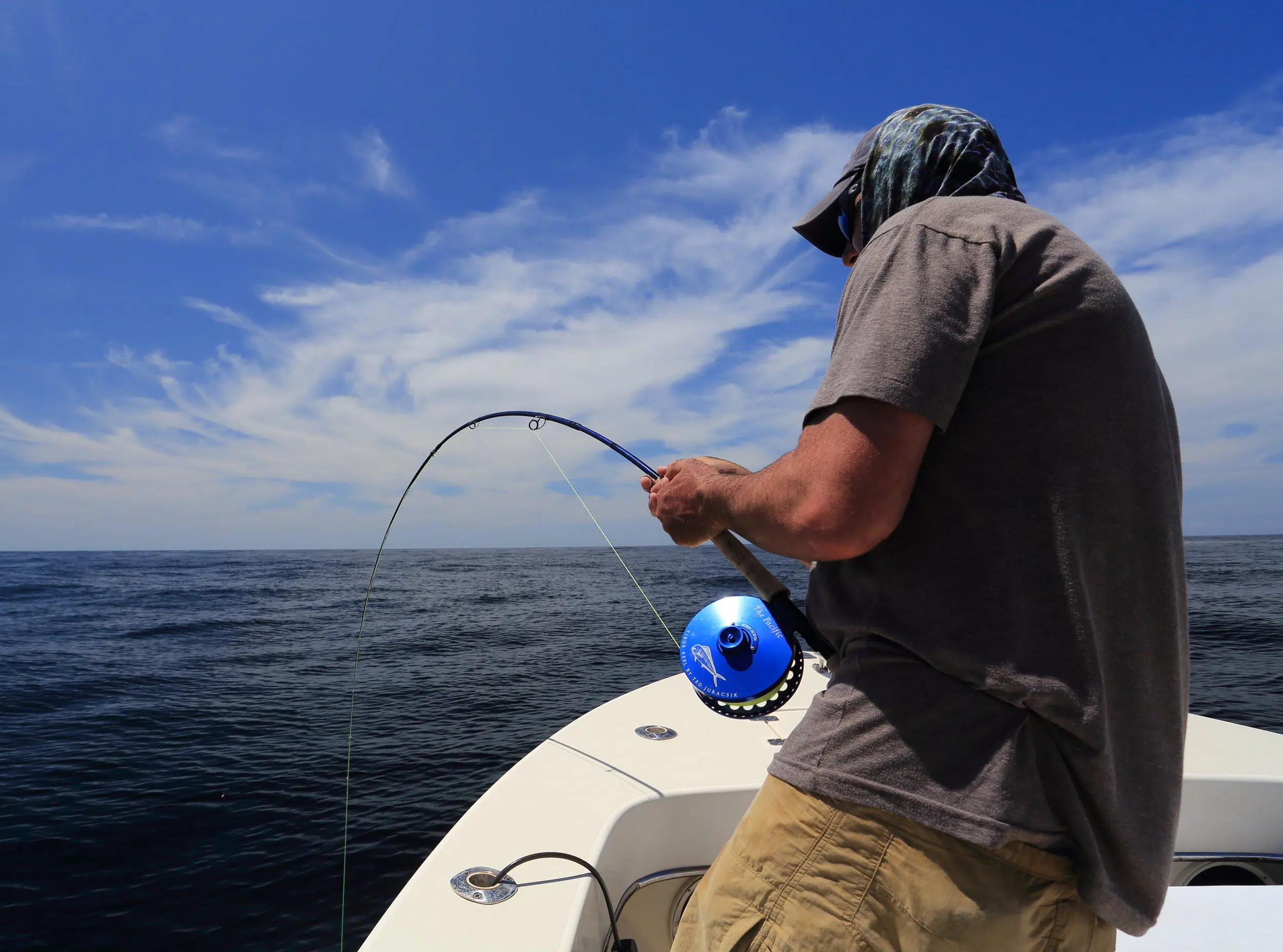
For rod builders, matching a reel to a rod is about much more than making sure the reel seat fits or choosing a size that looks right on paper. The best setups work as complete systems, where the rod, reel, line, leader, lure weight, and intended technique all complement each other. That systems approach came through clearly in this conversation with Captain John Irwin, a full-time Charleston guide at Fly Right Charters and Shimano Master Brand Advocate, whose perspective is especially valuable because he spends his life on the water with tackle in constant use.
Reel Selection Starts With Function
One of the most useful takeaways for rod builders is that reel selection should start with function, not just capacity charts or model numbers. When discussing light inshore applications, Irwin pointed out that spool size can affect casting performance even when a smaller reel technically holds enough line. He noted that with a larger spool, “that line is going to feather off that spool” better, which can help anglers gain casting distance. For builders putting together finesse spinning outfits, that matters. A 2500-size reel may be sufficient for capacity and drag, but depending on the line and presentation, a 3000-size spool might improve real-world casting without changing the body size dramatically.
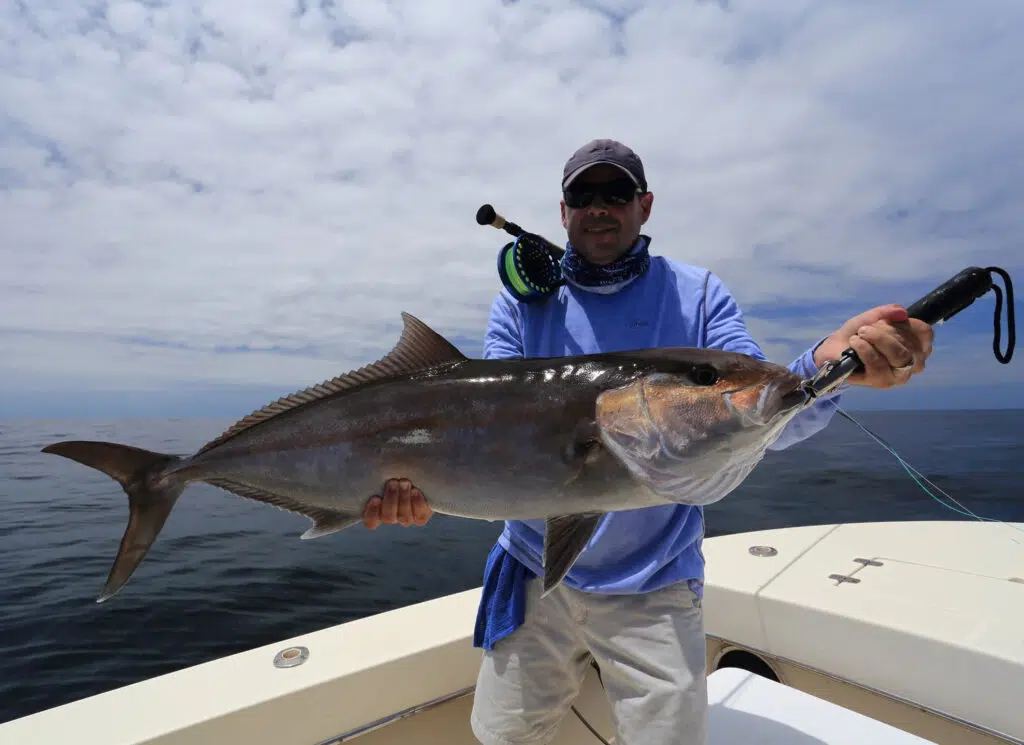
That kind of thinking is especially important when customers are fishing light braid and small lures. Irwin explained that much of his inshore work is done with “eight to 10 pound for absolutely everything,” typically braid to leader, because lighter line helps achieve the casting distance needed for spooky shallow-water fish. In that context, the reel is not just a line holder. It is part of the casting engine. For rod builders, that means the reel recommendation should be tied directly to how the rod will be used, not just what species the customer plans to catch.
Why Balance Matters as Much as Capacity
Balance is another major factor that often gets overlooked. On the fly side, Irwin stressed that even if a smaller reel technically has enough backing capacity, overall setup balance still matters. “I still think you got to get balanced,” he said. “Certain things feel right.” That principle carries over to spinning tackle as well. Matching a reel to a rod that looks fine on a spec sheet may feel tip-heavy or awkward in the hand, especially over a full day of casting. Builders who understand that can better guide customers toward reels that create a comfortable, efficient setup rather than one that merely meets minimum requirements.
This is where rod builders can separate themselves from order takers. Many customers, especially gift buyers or casual anglers, do not think in terms of balance, spool diameter, or line flow off the lip of the spool. They simply know they want a rod and reel that works well together. Irwin’s comments reinforce the value of being able to recommend a complete outfit with confidence. When a builder understands how reel size, spool shape, and line choice affect performance, they can create a setup that feels intentional from the first cast.
Inshore vs. Offshore Reel Matching
Irwin also drew a helpful distinction between inshore and nearshore or offshore applications. Inshore, line capacity often is not the deciding factor because many target species are not making long blistering runs. But once you step into nearshore and offshore fishing, capacity becomes more important. As he put it, “once I get out there, I am thinking a little bit about line capacity.” That means the reel choice has to change along with the fishery. A setup meant for redfish in shallow water may prioritize light weight, easy casting, and balance, while a nearshore setup for larger fish needs a reel with more line, more drag, and a greater margin for error.
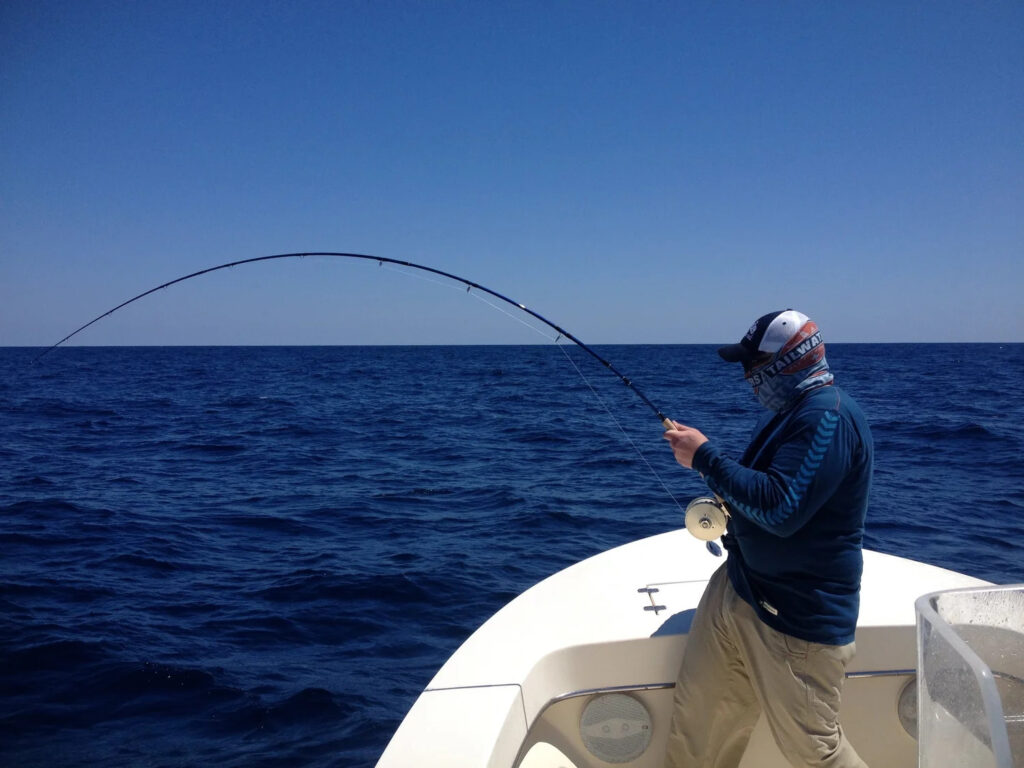
For builders, that is a reminder that matching a reel to a rod is not one universal formula. It is contextual. The right reel for a seven-foot light inshore rod may be completely wrong for a rod intended for cobia, bottom fishing, or heavier nearshore work. A good builder should be asking how far the angler will cast, what kind of line they prefer, whether they are fishing artificials or bait, what species they are targeting, and whether balance or capacity should take priority.
Durability, Serviceability, and Long Term Value
When the discussion turned to reel quality and price point, Irwin offered some of the clearest advice in the entire conversation, and it tied directly into the bigger idea of matching a reel to a rod. He acknowledged that not every angler needs to start with a premium reel. Someone just getting into fishing may not know yet whether they will stick with it, so there is a place for more affordable options.
But he also made the case for buying better gear when the angler is ready for it. “You might appreciate a reel that’s 340 bucks,” he said, especially after spending time with lower-tier equipment. That jump in performance is not just about prestige. It is about durability, refinement, and consistency, all of which matter when matching a reel to a rod in a way that creates a balanced, dependable setup.
His strongest endorsement was for the Shimano Twinpower. “If I had to tell somebody if you wanted the best bang for your buck and the best reel that you can buy is the Twin Power,” he said. That is notable praise coming from someone who fishes hard and depends on his gear professionally. He also emphasized that durability and longevity matter more to him than shaving every possible ounce. “I want durability. I want longevity,” he said. “I’m trading durability and longevity every time over something that’s lighter and maybe not quite there.”
That statement should resonate with custom builders, because it speaks directly to the kind of recommendations that build long-term trust with customers. It is easy to sell someone on the lightest reel in the catalog. It is more valuable to steer them toward the reel that will still feel solid after years of use. For many anglers, especially those who only own a handful of setups, reliability matters far more than marginal weight savings. Irwin put it plainly: “You want something that is not going to fail.”
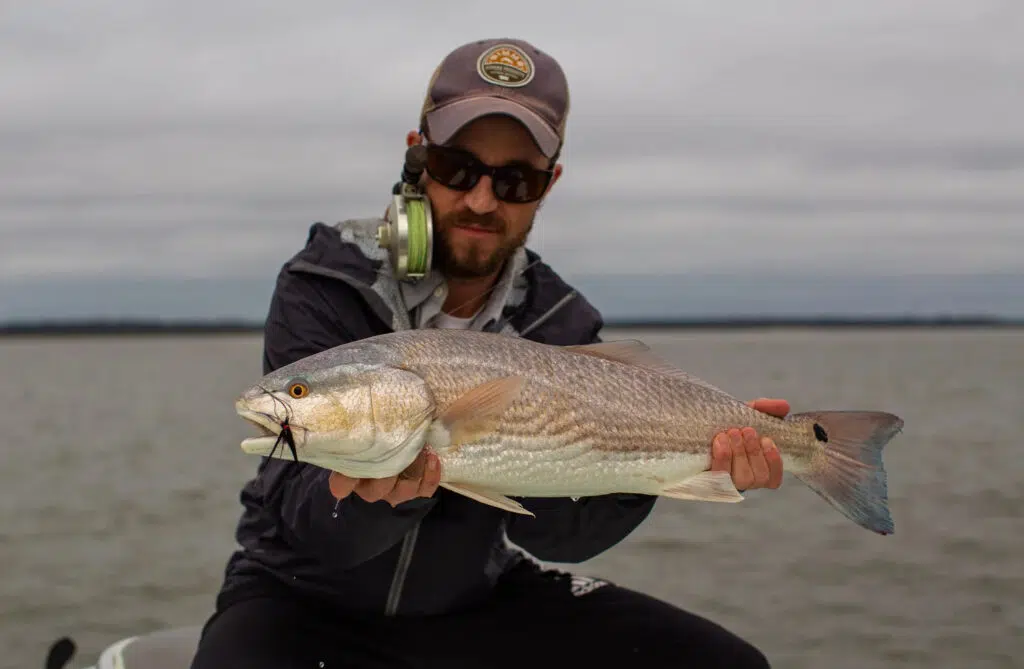
He also highlighted something rod builders should mention more often when discussing premium reels: serviceability. Irwin encouraged anglers to “send them in, send them back, get service,” explaining that regular maintenance dramatically extends reel life. That is a critical part of the value proposition for higher-end reels. A premium reel is not just better out of the box. It is often a longer-term investment because it can be maintained, refreshed, and kept in service year after year. From a builder’s standpoint, that is another reason to think carefully about the reels you recommend alongside your rods. A quality rod paired with a disposable reel is not really a premium system.
He also pointed to the engineering improvements that continue to push reels forward. Referring to Shimano’s recent designs, he mentioned “the cold forge type gearing” and corrosion-resistant features like “X Protect” as examples of why modern reels are “not like they were.” In his view, “they’re definitely getting better.” For rod builders, that matters because the old assumptions about weight, toughness, smoothness, and sealing do not always hold the way they once did. The best reel match today may outperform what was available just a few years ago, both in terms of feel and long-term reliability.
What Rod Builders Should Really Be Recommending
What comes through most clearly from Irwin’s perspective is that rod builders should think like tackle system designers. The reel is not an accessory to the rod. It is one half of the working platform. Reel size influences casting, balance, and line management. Reel quality influences smoothness, durability, and customer satisfaction over time. Reel choice also signals whether the finished outfit was assembled with true intention or just pieced together by spec.
The rod builder who can explain why a larger spool may help light line cast farther, why setup balance matters as much as capacity, why some fisheries demand more reel and others demand a lighter touch, and why durability should often outweigh minimal weight savings is offering something much more valuable than a custom rod. They are offering informed guidance. And that is what separates a builder from a parts assembler.
In the end, the best advice may be the simplest. When matching a reel to a rod, think beyond the rod and beyond the reel. Build the whole system around how the angler actually fishes. That is how you create setups that not only look custom, but perform like they were truly built for the job.