Winding checks play a pivotal role in both the aesthetics and functionality of a fishing rod, bridging the gap between the handle and the rod blank. This guide is designed to demystify winding checks, shedding light on their importance, varieties, and how to select the perfect one for your rod-building or repair project. We have also included a fishing rod winding check size chart to help you in your selection. Whether you’re a seasoned builder or brand new to rod crafting, you’ll find valuable insights and practical advice to enhance your fishing gear.
What Is A Winding Check
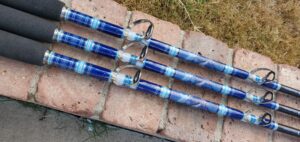
A winding check is a small but significant component used in the construction of fishing rods. It’s a ring that fits snugly at the junction where the fishing rod’s handle meets the thinner part of the rod, known as the blank. The main purpose of a winding check is to create a smooth transition between these two parts. It also adds a touch of finish and protects the rod from wear and tear at this critical point.
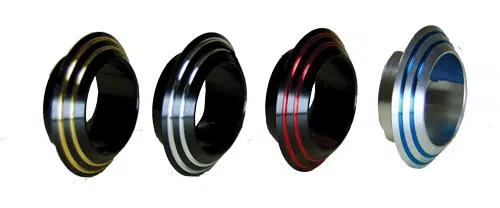
Choosing the right winding check is important for a couple of reasons. First off, it needs to fit perfectly to prevent any gaps or movement that could lead to the rod weakening or breaking at the joint. The size, material, and design can also affect the overall look and feel of the fishing rod, contributing to its aesthetic appeal and how comfortable it is to use.
So, when someone is building or repairing a fishing rod, picking the right winding check is not just about making the rod look good. It’s also about ensuring the rod’s durability and functionality. Well-chosen checks help maintain the integrity of the rod, making it more reliable and enjoyable to use over time.
Comparing The Pros and Cons Of Winding Check Material
When it comes to winding check materials, each has its pros and cons that can affect the overall performance and look of a fishing rod. Let’s break down each material:
Silicon winding checks are prized for their adaptability and ease of installation. They can stretch to fit over slight irregularities in the rod, ensuring a snug fit that helps prevent water and debris from entering the joint between the rod and handle. This flexibility makes them a favorite among rod builders who need a forgiving material that accommodates minor variances in rod diameter. However, silicon’s susceptibility to environmental damage is a notable drawback. Prolonged exposure to UV rays, saltwater, and extreme temperatures can cause silicon to lose its elasticity and break down, potentially leading to a loose fit and reduced lifespan.
Aluminum winding checks offer a different set of benefits and challenges. Their strong and rigid nature means they can withstand significant wear and tear, maintaining their structural integrity over time. The aesthetic appeal of aluminum, often available in various finishes, adds a professional touch to the rod. However, the rigidity of aluminum means it must be matched precisely to the rod’s diameter to ensure a proper fit. If too tight, it can be difficult to install and may even damage the rod by creating pressure points. If too loose, it can slide and fail to protect the rod effectively.

Rubber, like silicon, provides a good level of flexibility and shock absorption. This makes rubber winding checks effective at damping vibrations that occur during casting and retrieval, leading to a more comfortable fishing experience. Rubber’s durability under various environmental conditions also makes it a reliable choice. However, over time, especially in extreme conditions, rubber can degrade, losing its flexibility and potentially cracking, which compromises its effectiveness.
Vinyl winding checks stand out for their affordability and the variety of colors they offer, allowing anglers to customize their rod’s appearance to a great extent. The flexibility of vinyl makes it user-friendly for installation. Yet, vinyl’s durability is less than ideal. It is prone to environmental degradation, especially from UV exposure and temperature fluctuations, leading to cracking and shrinkage, which can necessitate more frequent replacements.
Graphite nylon winding checks are a sophisticated option, combining the lightweight and corrosion-resistant benefits of nylon with the strength and rigidity of graphite. This composition results in a winding check that is both durable and lightweight, adding minimal weight to the rod and maintaining its balance. Graphite nylon checks can withstand harsh environmental conditions better than some other materials, making them a long-lasting choice. However, these benefits come at a cost, as graphite nylon winding checks are generally more expensive than those made from simpler materials. Their rigid nature also requires precise sizing and installation, similar to aluminum checks.
In conclusion, the choice of winding check material involves a balance between flexibility, durability, aesthetic appeal, and cost. Silicon and rubber are flexible and easy to install but less durable over time. Aluminum and graphite nylon offer durability and strength but need accurate sizing and are pricier. Vinyl is economical and customizable but less resilient to environmental factors. The best choice will depend on the angler’s specific needs, including the fishing environment, budget, and personal preferences for the rod’s performance and appearance.
Picking The Best Style Winding Check For Your Style Of Fishing Rod
Choosing the right style of winding check for your fishing rod involves considering both the type of fishing you plan to do and the design of the rod itself. The winding check should match the rod’s aesthetic while also being functional for the fishing conditions you’ll face.
First, think about the type of fishing you do most often. If you’re into fly fishing, for example, you might want a check that’s lightweight and unobtrusive, so it doesn’t interfere with the delicate balance of a fly rod. In this case, a simple, slim-profile winding check made of a material like graphite nylon could be ideal, as it adds minimal weight and maintains the rod’s sensitivity.
For heavier saltwater or surf fishing rods, durability and resistance to corrosion become more important. Aluminum or high-quality rubber winding checks can be better choices here. They are capable of withstanding the harsh conditions of saltwater and the intense strain of battling larger fish. These materials are also more resistant to the abrasive effects of sand and salt.
The aesthetics of the winding check should not be overlooked either. The color and finish can be chosen to complement or contrast with the rod’s design, depending on your personal style. Some anglers prefer a winding check that blends seamlessly with the rod, creating a sleek, unified look. Others might choose a winding check in a contrasting color or material to add a distinctive touch to their setup.
Furthermore, consider the size and fit of the winding check. It must match the diameter of the rod at the point where it will be installed to ensure a secure fit that won’t slip or move during use. A winding check that’s too large can lead to gaps, allowing water and debris to enter, while one that’s too small may be difficult to install and could damage the rod.
Choosing The Right Size Winding Check
Choosing the right size for a winding check is crucial because it ensures that the check fits snugly against the rod, preventing any movement that could lead to wear or damage. The size of the winding check refers to its inner diameter, which must match the outer diameter of the fishing rod at the point where the handle meets the blank. Here’s how to make sure you get the right size:
Firstly, measure the rod’s diameter at the point where you plan to install the winding check. This is typically done at the junction where the rod’s handle ends and the blank begins. Use a caliper for accurate measurement, as even small discrepancies can lead to a poor fit. The measurement should be taken in millimeters or inches, depending on the sizing standard of the winding checks you are considering.
Once you have the diameter of the rod, look for a winding check with an inner diameter that matches this measurement as closely as possible. If the check is too large, it won’t secure properly to the rod and could move or rotate, which might cause the rod to wear at the contact point. On the other hand, one that is too small will be difficult to install, potentially requiring forceful pushing or twisting that could damage the rod or the winding check itself.
Some winding checks are designed with a bit of flexibility to accommodate slight variances in rod diameter. For example, rubber or silicone checks can stretch to fit over the rod. However, even with these materials, it’s important to choose a size that’s close to the actual rod diameter to ensure a tight, secure fit without over-stretching the material.
In addition to the functional fit, consider the transition between the winding check and the rod or handle. A well-sized winding check will create a smooth, tapered transition, enhancing the rod’s overall look and feel. This seamless transition not only adds to the rod’s aesthetic appeal but also helps distribute stress more evenly along the rod when it bends under load.
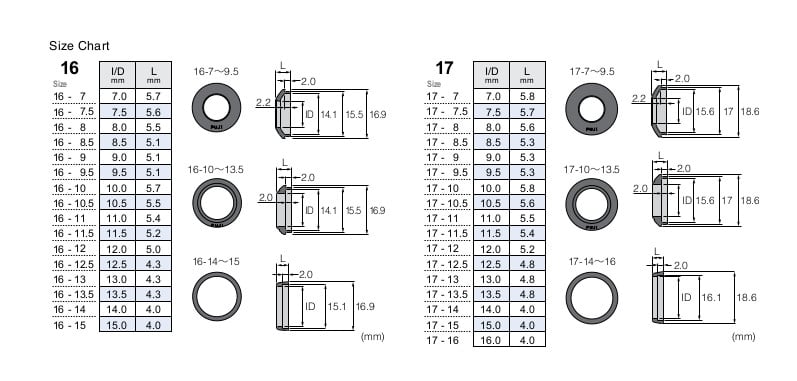
Take a look at the fishing rod winding check size chart below to help determine which size winding checks you need for you rod building project.
Getting Creative With Winding Checks
Getting creative with winding checks allows anglers to personalize their fishing rods, turning them into unique pieces of functional art. While the primary role of a winding check is to provide a smooth transition between the rod’s handle and blank, there’s no reason it can’t also be a statement of style and individuality.
Experimenting with different materials and colors is one way to get creative with winding checks. Beyond the standard options like aluminum, rubber, or graphite nylon, consider using winding checks made from exotic materials or those with unique finishes. For example, checks with anodized colors can add a pop of brightness or a sleek, metallic look. There are even some available in materials like carbon fiber, which can provide a modern, high-tech aesthetic to the rod.
Mixing and matching colors to create a custom look is another way to be creative. Some anglers choose winding checks that contrast with the rod’s color scheme, making the winding check stand out as a focal point. Others prefer a check that complements the existing colors of the rod, reel, and line, creating a harmonious and visually appealing ensemble.

The shape and design of the winding check can also be a creative choice. While most are simple rings, there are designs available that incorporate patterns, logos, or even sculptural elements. These decorative winding checks can add a level of detail and sophistication to the rod, making it truly one-of-a-kind.
Custom-made winding checks offer the ultimate personal touch. If you have access to metalworking or 3D printing tools, you can design and create a check that is completely unique to your rod. This could include personalized engravings, a family crest, a favorite symbol, or any design that holds personal significance.
Using winding checks creatively also extends to functional customization. For example, if you’re building a rod for a specific type of fishing or as a gift for someone special, you can choose checks that reflect the intended use or the personality of the recipient. This thoughtful attention to detail can make the rod not only a tool for fishing but also a cherished personal item.
Final Thoughts
Whether you’re selecting a durable aluminum check for saltwater fishing, a flexible rubber for a comfortable grip, or a custom-designed piece that expresses your personal flair, the right winding check can elevate your fishing experience. It’s not just about picking a piece that fits; it’s about choosing one that complements your rod’s performance and reflects your style. As we’ve seen, even the smallest details, like the winding check, can have a significant impact on the rod’s overall functionality and aesthetic.
Remember, the perfect winding check blends practicality with personal expression, ensuring your fishing rod is not only effective on the water but also a reflection of your passion for the sport. So take the time to consider the options, get creative, and select a winding check that will make your fishing rod truly yours. With the insights and tips from this guide, you’re now equipped to make an informed decision, ensuring your rod is ready for many successful and enjoyable fishing adventures ahead.