Fishing rods are tools of precision, and no method demonstrates the need for precision better than trolling. But not just any trolling—precision trolling. This advanced technique ensures your lure runs at the exact depth where fish are feeding, rather than leaving things to chance. Building the perfect rod for precision trolling can make all the difference, and few understand this better than Tom Kirkman, founder of TK Rods, editor of RodMaker Magazine, and host of the International Custom Rod Building Expo (ICRBE).
“I tell people, this isn’t the lazy man’s way of fishing,” Tom says with a grin. “Precision trolling is busy work. You’re not just throwing something out and waiting. You’re using sonar, monitoring depths, watching rod tips—it’s highly technical, and the right rod is critical to success.”
Let’s dive into the essentials of precision trolling and how to craft the ideal rod for this innovative method.
What Is Precision Trolling?
For many anglers, trolling conjures images of leisurely dragging a lure behind a boat, hoping for a strike. But precision trolling, which originated in the Great Lakes region, is a science that eliminates guesswork.
“You’re not just throwing a crankbait out and hoping it passes a fish,” Tom explains. “With precision trolling, you’re targeting specific depths, usually where bait balls or feeding fish are located. It’s about putting the lure exactly where it needs to be.”
This level of precision is made possible with tools like Precision Trolling, an app that calculates how much line to let out to reach specific depths based on the lure, line type, and speed. “If the bait ball is eight feet deep, the app will tell you exactly how far back to let your lure run to hit that depth,” Tom says.

While the app is key to dialing in your lure placement, Tom emphasizes that your rod plays an equally important role in this setup. “The rod needs to work with you, not against you. A rod with the wrong speed or action can cost you fish, even if your lure is in the perfect spot.”
Building the Ideal Precision Trolling Rod
1. The Right Materials: Slow Speed, Fast Action
When it comes to rod materials, slower is better. Tom recommends using rods made of glass or composite materials for their slower recovery speed. “Fast-recovery carbon rods are too reactive,” he explains. “For trolling, you need a rod that loads and unloads more gradually to keep fish hooked. It’s the same principle bass anglers discovered when crankbait fishing—they switched to glass rods for a reason.”
The ideal rod for precision trolling should have a fast action, meaning it flexes primarily in the upper third of the blank, but it needs the slower recovery speed of glass to absorb the shock of a strike and hold fish better.
“The best rods I’ve ever used for this were Seeker’s CBC 705 and 706 blanks,” Tom recalls. “They had glass in the tip for that slower reaction but reinforced carbon in the butt for strength. Unfortunately, they’re no longer in production, but there are plenty of great options available today, like fast glass blanks from North Fork Composites or Rod Geeks.”
2. Rod Length: Seven to Eight Feet
For most trolling applications, a rod length of 7 to 8 feet is ideal. Tom prefers a 7-footer for versatility but acknowledges that 8-foot rods also work well, particularly for deeper trolling applications.
“This length gives you enough leverage to fight fish effectively without being cumbersome in a rod holder,” he says.
3. Handle Length: Fit It to You
When choosing handle length, Tom advises anglers to focus on comfort during the fight rather than arbitrary measurements.
“A handle that ends one to two inches from your elbow is perfect,” he explains. “You want the rod butt to rest against your forearm for leverage. Fighting fish off your wrist gets old fast, especially with bigger species like stripers.”
4. Guide Train: Spiral Wrap Is a Must
Tom is unequivocal on this point: “If you’re building a trolling rod, use a spiral wrap.”
A spiral wrap, where the guides transition from the top of the blank to the underside, eliminates rod twist and keeps the rod stable in the holder. “Stability is everything when trolling,” Tom says. “With a spiral wrap, the rod doesn’t twist under load. It stays rock solid, which makes everything easier—from monitoring the lure’s action to fighting the fish.”
He adds that any spiral wrap method will work, but his preference is the simple spiral wrap, which is quick to set up and highly effective.
Tackle Considerations: Reels and Line
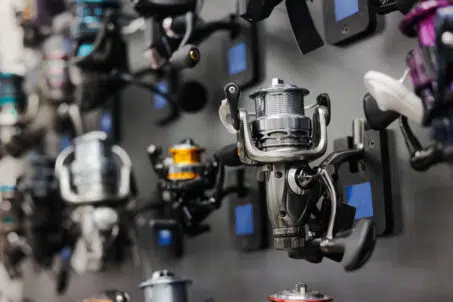
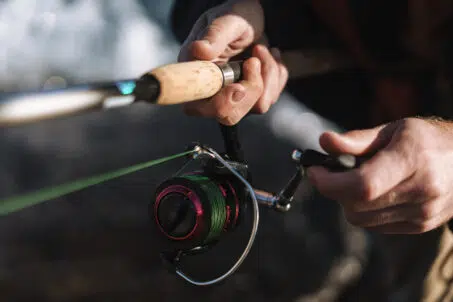
To maximize the effectiveness of precision trolling, Tom strongly recommends using a level-wind reel with a line counter.
“Without a line counter, you’re guessing how much line you’ve let out,” he says. “That’s not precision—it’s guesswork. A line counter reel lets you dial in exactly how far back your lure is running, which is critical for this technique.”
As for line, most trolling data is based on 10-pound monofilament. “That’s the standard,” Tom explains. “But if you want to use braid or heavier mono, the Precision Trolling app includes adjustments for different line types and diameters.”
Pro Tip: Replace Treble Hooks with Circle Hooks
One of Tom’s biggest game-changers has been swapping out treble hooks for circle hooks on his crankbaits.
“When we started trolling, we missed about 30% to 35% of strikes,” he says. “Then I switched to circle hooks, and I haven’t lost a fish since. The difference is night and day.”
Circle hooks work by allowing the fish to hook itself as it strikes, reducing the need for a hard hook set. They’re also less likely to snag on debris and easier to remove, which is better for the fish and the angler.
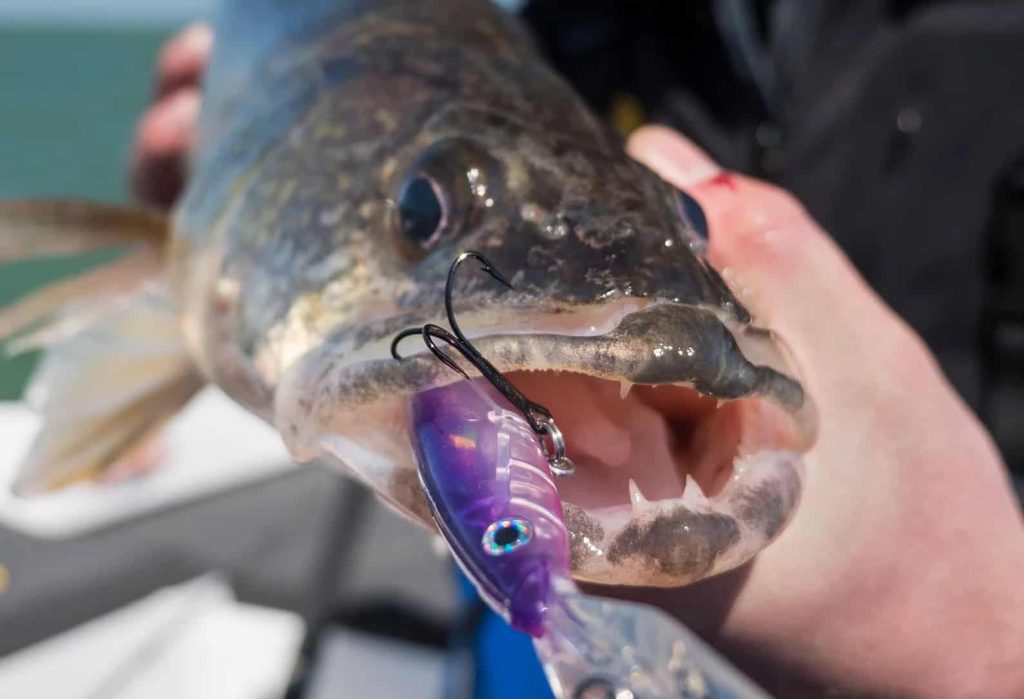
“I hang them using two split rings to ensure the hook orients correctly,” Tom explains. “But honestly, even if you just let them hang sideways, they’ll still work. Once that rod tip folds back, you can take your time. The fish isn’t going anywhere.”
Why Precision Trolling Is Worth the Effort
For those willing to embrace its technical nature, precision trolling is an incredibly rewarding way to fish.
“It’s not like the lazy trolling most people imagine,” Tom says. “You’re busy—watching sonar, adjusting your lines, monitoring your rod tips. But when you see how effective it is, you’ll never go back to guessing.”
Tom also emphasizes how versatile this technique is, particularly in the winter months. “We started doing this in the winter because we didn’t want to stand in a freezing river,” he says with a laugh. “It’s perfect for targeting deepwater species when the fish are stacked up around bait balls. You’d be surprised how many different species you can catch—stripers, crappie, walleye, even largemouth bass. If the bait is balled up, the fish are there.”
The Takeaway
Building the ideal rod for precision trolling involves careful consideration of materials, action, and configuration. With the right rod, paired with tools like the Precision Trolling app, anglers can target fish with unmatched accuracy.
“It’s a science and an art,” Tom says. “But once you see the results—more hookups, fewer missed fish—you’ll realize it’s worth every bit of effort.”
Whether you’re a seasoned angler or new to trolling, following Tom’s advice can elevate your fishing game and open the door to a whole new level of success.