Choosing the right fishing rod, whether buying or building one yourself, is key to mastering different techniques and lure types. For kids, the right rod is about more than just functionality—it’s a chance to ignite their love for fishing and the outdoors. Building a custom kids fishing rod is an art that balances durability, usability, and personal connection, a craft perfected by Dan O’Kane, founder of Uncle D’s Custom Rods and the nonprofit Josie’s Gift.
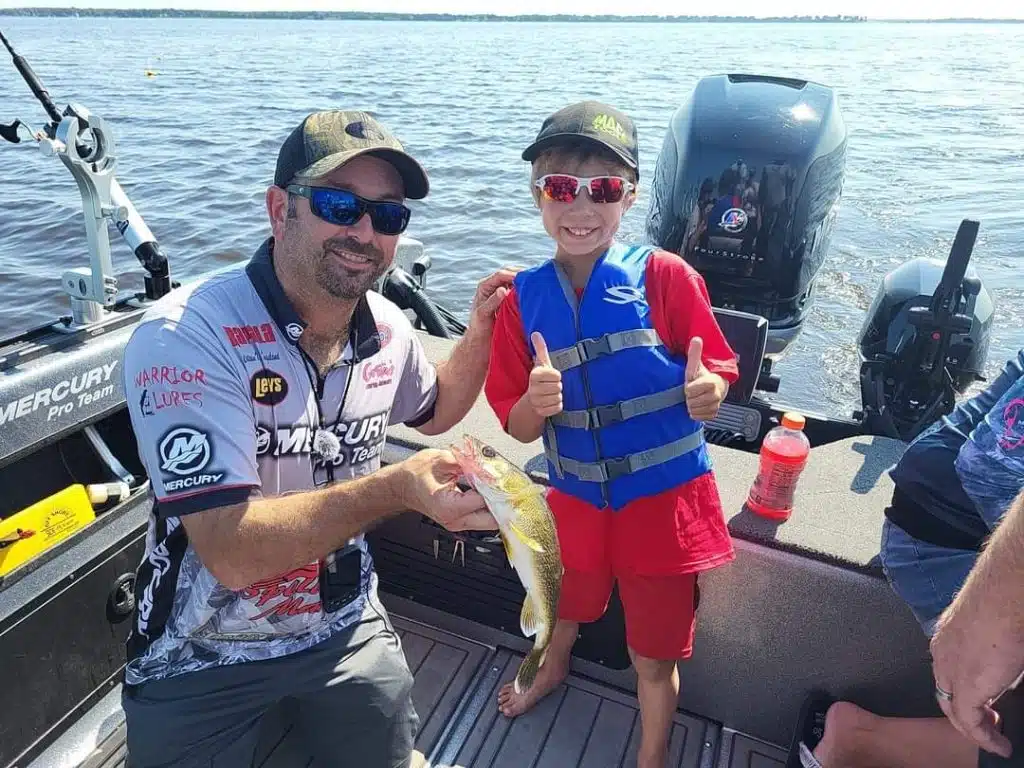
O’Kane has dedicated years to crafting fishing rods for children facing life-altering medical challenges, using the process as a way to provide moments of joy and distraction. “It’s not just about giving them a rod,” he explains. “It’s about creating something that takes their mind off what they’re going through, even if it’s just for a couple of hours.”
The Purpose of Custom Kids’ Fishing Rods
For O’Kane, a well-built fishing rod is more than a tool—it’s a memory maker. Each rod is designed with the child’s preferences and personality in mind, creating a lasting connection to the experience. “When you sit down with a kid to design their rod, it’s not just about colors or materials. It’s about giving them ownership and a reason to smile,” he says.
Key Features to Consider
When crafting or selecting a fishing rod for a child, understanding the key features that contribute to its functionality and appeal is essential.
Each aspect of the rod plays a critical role in ensuring a positive fishing experience, particularly for young anglers who are still learning. Below are the most important features to focus on when building a kids’ fishing rod.
Action
The action of a rod, which refers to how much it bends and where along the blank the bend occurs, is a critical factor for young anglers. For kids, a rod with moderate action is ideal because it bends further down the blank, closer to the handle. This flexibility makes casting easier and more forgiving, even for beginners with imperfect technique. As O’Kane explains, “Kids need a rod that’s forgiving. Moderate action allows them to cast without perfect technique and reduces the chance of frustration when they’re learning.” This flexibility can be the difference between a child enjoying their time on the water or feeling discouraged.
Power
Rod power, or the amount of force needed to bend the rod, is another essential consideration. Medium power rods are a reliable choice for children because they balance durability and sensitivity, making them versatile for various types of fishing. According to O’Kane, “You want a rod that won’t snap easily, even if they’re rough with it. These rods need to hold up.” For this reason, ultralight rods, while sensitive, are often avoided as they can break too easily in the hands of a child still learning to handle fishing gear.
Length
The length of the rod significantly impacts how easy it is for a child to control and how versatile it will be as they grow. O’Kane generally recommends rods between 6 and 7 feet long. These lengths are manageable for kids to handle but also versatile enough to grow with them, ensuring the rod remains useful for years to come. “I aim to build rods they can use for life,” O’Kane explains. While shorter rods might be suitable for toddlers, older children benefit from medium-length rods that provide enough reach for effective casting and can handle a wider range of fishing scenarios.
Material and Weight
The material of the rod directly affects its weight, durability, and sensitivity. Lightweight materials like fiberglass and graphite are excellent choices for kids. Fiberglass offers enhanced durability, while graphite provides superior sensitivity, making it easier to detect bites. Striking the right balance between weight and performance is crucial. “You want the rod to be light enough for a kid to hold all day, but it still has to perform,” says O’Kane. This ensures the child remains comfortable while still experiencing the satisfaction of a responsive and effective rod.
Handle Design
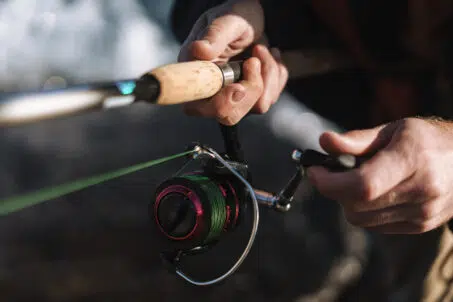
The handle of a rod is where comfort meets practicality, making it an important consideration for children. Materials like EVA foam and cork are popular for their functionality and appeal. EVA foam is soft, colorful, and easy to clean, while cork offers a classic look and excellent grip.

Handles can also be customized to match a child’s preferences. “Some kids love bright, colorful EVA foam, while others prefer a classic cork look. It’s all about tailoring it to their personality,” O’Kane notes. A well-designed handle enhances the child’s connection to the rod, making it truly their own.
Tip Sensitivity
The tip of the rod, where most of the bending occurs when detecting a bite, is critical for keeping kids engaged while fishing. A flexible and sensitive tip ensures even the lightest nibbles are felt, helping beginners recognize when to reel in. At the same time, the tip must be durable enough to withstand bumps and drops, which are inevitable with young anglers. O’Kane emphasizes this balance, stating, “I make sure the tips are tough enough to handle bumps and drops.”
Line Weight Range
The line weight range of a rod determines the type of fishing line it can handle. For children, a range of 4 to 12 pounds is a versatile option, suitable for catching everything from small panfish to larger bass. By selecting a rod with a wide line weight range, parents and kids can adapt their fishing setup to a variety of scenarios without the need for multiple rods. “I try to keep it simple for parents and kids by sticking to ranges that cover most common freshwater species,” says O’Kane.
Lure Weight Range
Lure weight range indicates the size of lures a rod can effectively cast. A range of 1/8 to 3/4 ounces is ideal for kids, providing flexibility for different fishing techniques and target species. It’s important to choose a rod that matches the lures the child will use most often, as mismatched setups can make casting difficult or even damage the rod. “The wrong lure weight can make casting difficult or even damage the rod, so I always consider what the kids will be fishing for,” O’Kane explains.
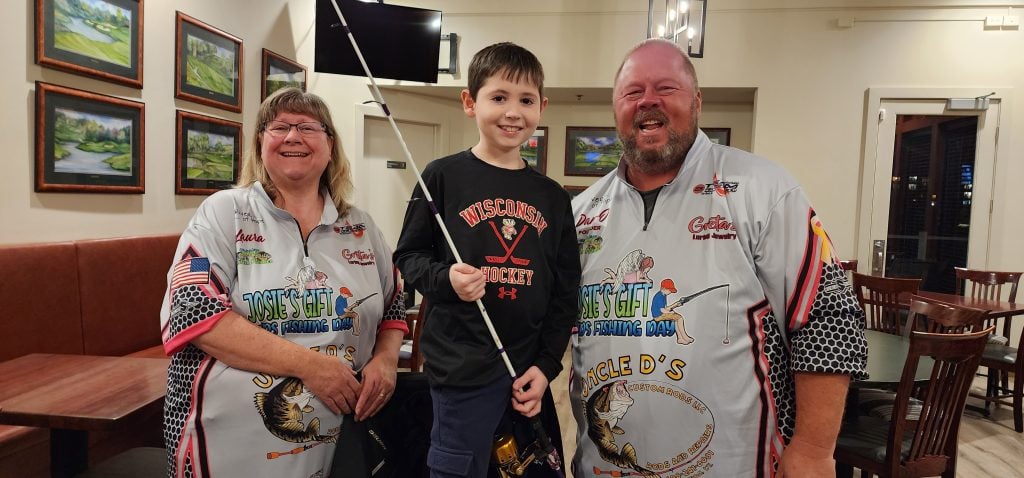
These features combine to create a fishing rod that is functional, durable, and tailored to the needs of young anglers. By focusing on usability and personalization, parents and rod builders alike can ensure kids have a positive fishing experience that inspires a lifelong love for the sport. As O’Kane aptly puts it, “It’s not just about the rod; it’s about giving them something they’ll want to pick up again and again.”
The handle is a critical component of any fishing rod, especially for kids who need comfort and control. Materials like EVA foam and cork are popular options, while custom handles can add a unique touch.
“Some kids love bright, colorful EVA foam, while others prefer a classic cork look. It’s all about tailoring it to their personality,” O’Kane says.
Selecting the Best Guide Train
The guide train ensures smooth line flow, a feature essential to creating a positive fishing experience for kids. Durability is especially important for young anglers who are still learning the ropes.
“I use durable guides like Fuji because they hold up to a lot of wear and tear,” O’Kane shares. “It’s about giving them a rod they can rely on.”
Building Kits and Resources
Customizing a rod for a child requires the right materials. O’Kane often uses medium power blanks, EVA handles, and durable guides to create rods that are both functional and fun.
“I’ve had kids ask for glow-in-the-dark rods or ones with cobweb designs. You’d be amazed at what you can create when you think outside the box,” he recalls with a laugh.
Visit the Custom Rod Builders Directory
Josie’s Gift: Crafting Joy Through Fishing
The nonprofit Josie’s Gift, founded by O’Kane in memory of a remarkable young girl named Josie Perea, provides custom rods to children facing serious medical challenges. Each rod is personalized, ensuring it becomes a meaningful gift for its recipient.
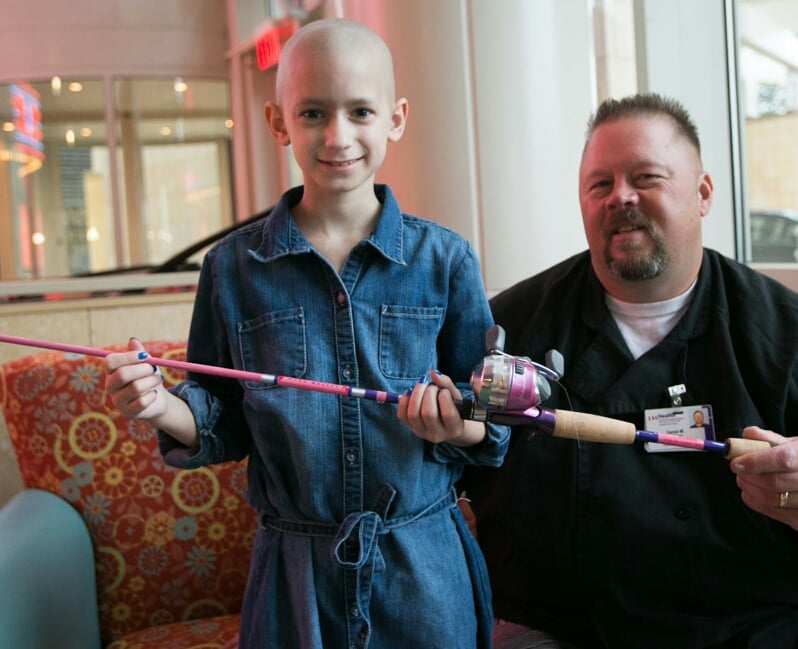
“Josie was an old soul who cared more about others than herself,” O’Kane recalls. “When I built her first rod, she spent hours picking out colors and designs. It had to be pink, purple, sparkly—everything she loved.”
The organization has since grown, with O’Kane and his team building over 100 rods for children across the Midwest. “Every rod is a story, a way to connect with these kids and their families,” he says.
How to Support Josie’s Gift
There are several ways to get involved with Josie’s Gift, whether you’re a rod builder, a donor, or simply someone who wants to make a difference:
- Donate Materials: Extra thread, blanks, guides, or handles are always needed.
- Volunteer Your Time: Rod builders can help assemble custom rods for children in need.
- Monetary Donations: Contributions help cover costs like reels and shipping.
“Every donation, whether it’s a dollar or a reel, goes directly to making a child’s life a little brighter,” O’Kane emphasizes.
Building or Buying: Options for Kids’ Fishing Rods
For those who prefer to purchase a rod, several manufacturers offer high-quality options for children [link]. However, building a custom rod allows for a truly personalized touch that makes the gift even more special.
“Whether you’re building or buying, the goal is the same: to spark a love of fishing and create lasting memories,” O’Kane says.
Custom rods crafted with care can create joy and inspire a lifelong passion for fishing. Whether you’re designing one yourself or supporting a nonprofit like Josie’s Gift, you’ll be giving a gift that goes far beyond the water.