Choosing the right fishing rod is fundamental to mastering different techniques, and ice fishing rods are no exception. Whether you’re building or buying one, understanding the unique qualities of ice rods is critical to their performance. “Ice rods are some of the most difficult rods to build because of the delicate blanks and small components,” says Randy “Buzz” Butters, a veteran rod builder and instructor at Mud Hole Custom Tackle. “But if you do it right, they’re incredibly rewarding to fish with.” In this article, we’ll dive into what makes a great ice fishing rod and provide a step-by-step guide to help you build one, from selecting the right blank to adding custom handles and guides.
Why Ice Rods Are Unique
Ice fishing rods are compact, flexible, and built to perform in extreme conditions. Unlike standard fishing rods, ice rods need to detect subtle bites visually, not through feel. This means lightweight, ultra-sensitive designs and short lengths (typically 24 to 36 inches) are essential. Additionally, components must withstand freezing temperatures without breaking or icing up, making the design process both challenging and rewarding.
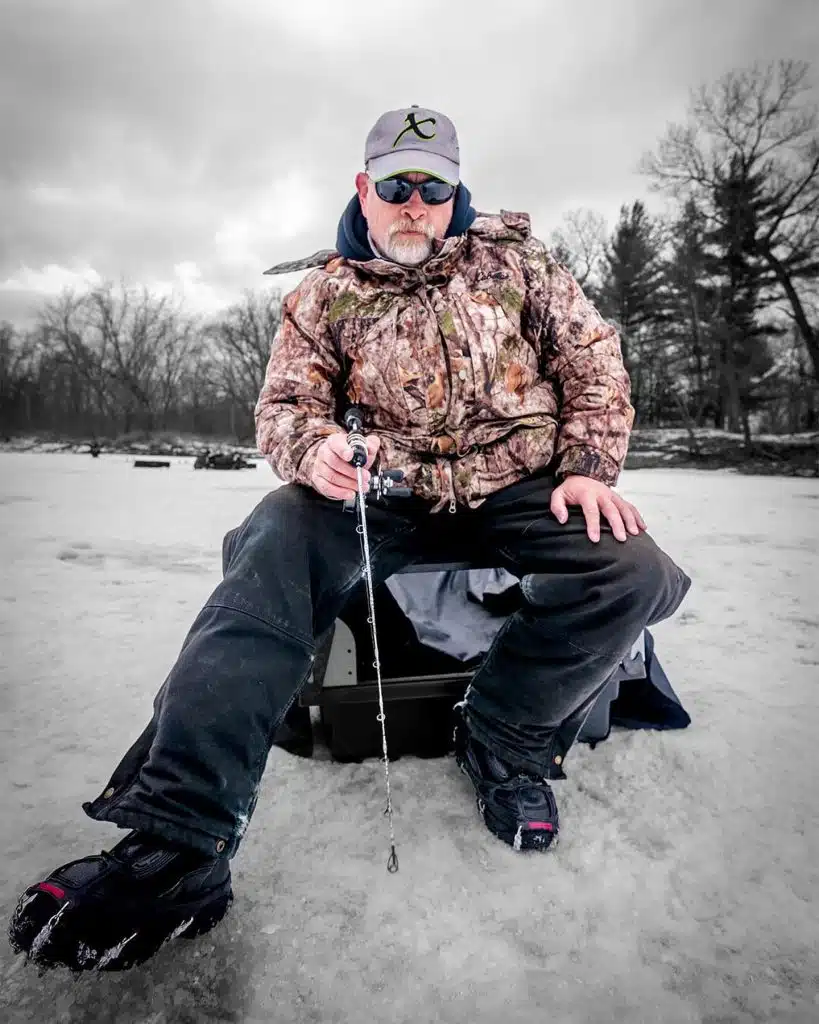
“Back when I started, ice rods were pretty much garbage,” Buzz recalls. “They didn’t have enough guides, the blanks broke, and they weren’t suited for the lures we were using. Now, with the right design, you can match the rod to the technique and the species, just like you would with open water rods.”
Choosing the Best Ice Fishing Rod Blank
The rod blank is the foundation of any build, and ice rods demand a very specific type of blank. Here are the factors to consider:
Action:
“For detecting subtle bites, a soft, fast-action blank is ideal for panfish,” Buzz advises. “But for walleye or lake trout, you’ll want a blank that’s got a bit more backbone—medium or medium-heavy action.”
Power:
- Light power is perfect for small lures like tungsten jigs targeting crappie or perch.
- Medium-heavy power blanks are better for larger species, such as lake trout or walleye, using heavier jigs and spoons.
Material:
- Solid fiberglass blanks offer flexibility and durability, making them great for ultralight applications like panfish.
- Solid carbon blanks provide greater sensitivity and strength for heavier species and deeper water.
“Fiberglass is fantastic for power noodles, where you need a soft tip for visual bite detection,” Buzz explains. “For more serious jigging, solid carbon is going to give you the sensitivity and strength you need.”
Length:
- Shorter rods (24–28 inches) are ideal for confined spaces like portable shelters.
- Longer rods (36 inches or more) work better in open areas or for “hole hopping” techniques, where anglers move between holes.
Buzz’s Picks:
Buzz recommends MHX solid carbon and V-Line solid fiberglass blanks for their consistent tapers and variety of power options.
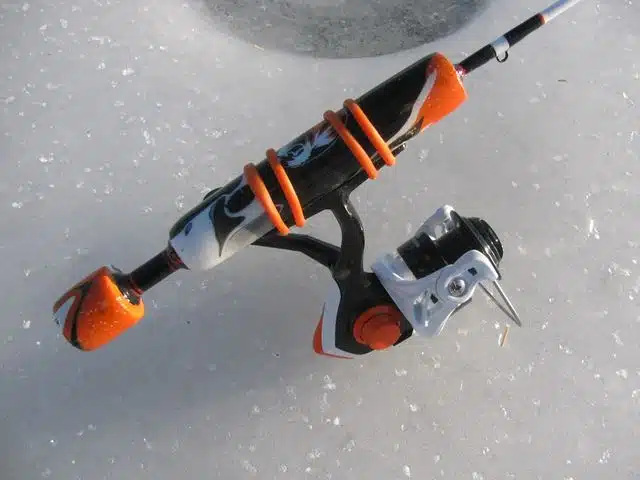
“They’re reliable, and the tapers are just right for ice fishing,” he notes.
Picking the Best Ice Fishing Rod Handle Type and Material
Building the handle correctly is essential to ensure comfort and performance, especially with ice rods’ narrow blanks. Buzz emphasizes the importance of using a support sleeve for handles to prevent failure under load.
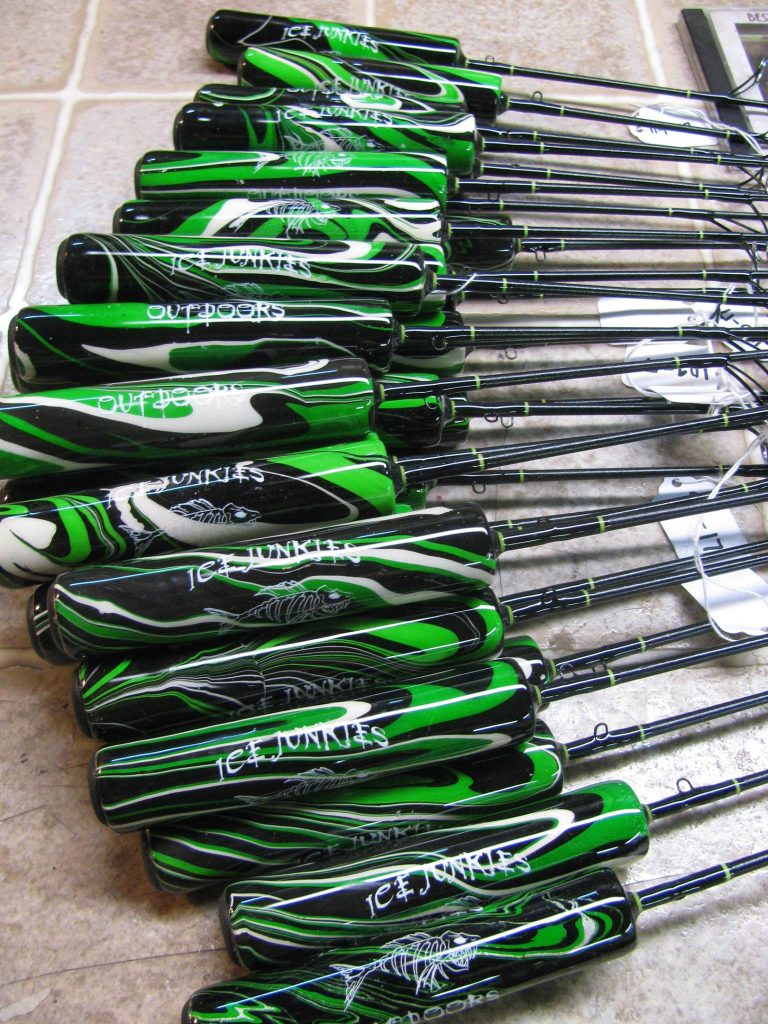
Rear Grip & Fore Grip:
- EVA foam and cork handles are popular due to their lightweight, non-slip properties, even when wet.
- Build your grip on a separate aluminum or carbon tube (e.g., an arrow shaft) for stability, then attach it to the blank.
“Trying to put open water grips and reel seats on an ice rod blank? That’s asking for trouble,” Buzz says. “You can break the components apart when the blank flexes under load. Build your handle on a support sleeve first. It makes a world of difference.”
Reel Seat:
- Minimalist reel seats or tape-on setups help keep weight low and maintain sensitivity.
Selecting the Best Ice Fishing Rod Guide Train
Guides on ice rods play a crucial role in reducing icing and maximizing sensitivity. “You want the biggest guide rings possible to minimize icing, but they also need to be small enough to fit on the tiny blanks,” Buzz notes.
Tips for Guide Selection:
- Opt for single-foot fly rod guides or SSR steel-ring guides for durability and lightness.
- Steel ring inserts resist cold better than ceramic and provide larger openings for reduced icing.
- Match the guide feet width to the blank’s diameter to ensure a flush fit.
“Steel rings are tough. They don’t pop out when it’s 20 below zero, and they have a larger opening, so they don’t ice up as quickly,” Buzz points out.
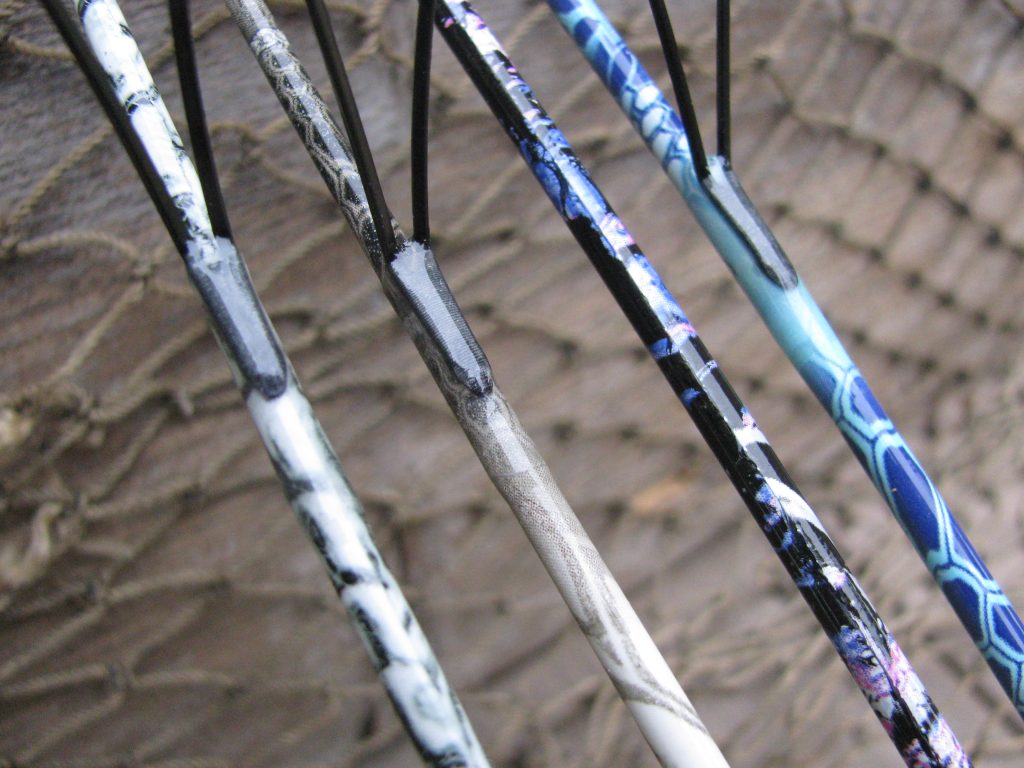
Guide Spacing:
- Perform a static deflection test to position the guides properly.
- Power noodle blanks often require 7–8 guides to follow their sharp bending arc, while heavier blanks may only need 5–6 guides.
“Don’t skimp on the guides, especially for power noodles,” Buzz advises. “If the line doesn’t follow the bend of the blank, you’re going to run into problems.”
Deciding on the Best Ice Fishing Rod Thread and Epoxy
Thread:
- Size A or B thread works best, but B thread may be easier to wrap on small blanks with thick guide feet.
Epoxy:
- Standard rod-building epoxy works well, even in extreme cold. Buzz recommends applying two thin coats for durability.
“Size B thread is a bit thicker, so it climbs over the guide feet easier, especially on those ultra-thin blanks,” he says.
Tools of the Trade: Buzz’s Blank Stabilizer
Wrapping guides on flexible ice rod blanks can be challenging. Buzz’s simple solution? A DIY stabilizer tool.
How to Make It:
- Use a piece of EVA foam (2×2 inches) and drill a center hole through it.
- Insert the blank into the foam and slide it into a stiff aluminum or brass tube.
- Push the blank to the next guide wrap position while the tube keeps the blank straight.
“This tool keeps the blank rigid while you’re wrapping the guides,” Buzz explains. “It saves a lot of frustration, especially when you’re working with power noodles or ultra-light blanks.”
Off-the-Shelf Options for Ice Fishing Rods
If building isn’t your thing, several manufacturers produce high-quality ice rods:
- Tuned Up Custom Rods: Specializing in panfish and walleye rods.
- Clam Outdoors: A trusted name for durable ice fishing gear.
- Hot Rods: Perfect for heavy-duty species like lake trout.
When buying a ready-made rod, take your reel with you and test the guide alignment by loading the rod under tension.
“Look for a rod that’s got enough guides and good spacing,” Buzz advises. “Run the line through the guides, put a bit of a load on the rod, and see if the line follows the blank’s curve. If it doesn’t, set it down and find another one.”
Ice Fishing Rod Building Kit
Looking to build your first ice rod? Here’s a recommended kit based on Buzz’s advice:
- Blank: MHX solid carbon or V-Line fiberglass (choose based on species and technique).
- Guides: SSR steel-ring guides or single-foot fly rod guides.
- Handle Materials: Pre-formed EVA or cork, plus an aluminum support tube.
- Thread & Epoxy: Size B thread and standard rod-building epoxy.
Safety First: Ice Fishing Essentials
Buzz stresses the importance of ice safety. Always check ice thickness:
- 3–4 inches: Safe for walking.
- 6 inches: Safe for ATVs.
- 12 inches or more: Safe for vehicles.
“Rescue picks are a must-have. I’ve had to use them once, and trust me, they work,” Buzz warns. “Better to have them and not need them than the other way around.”
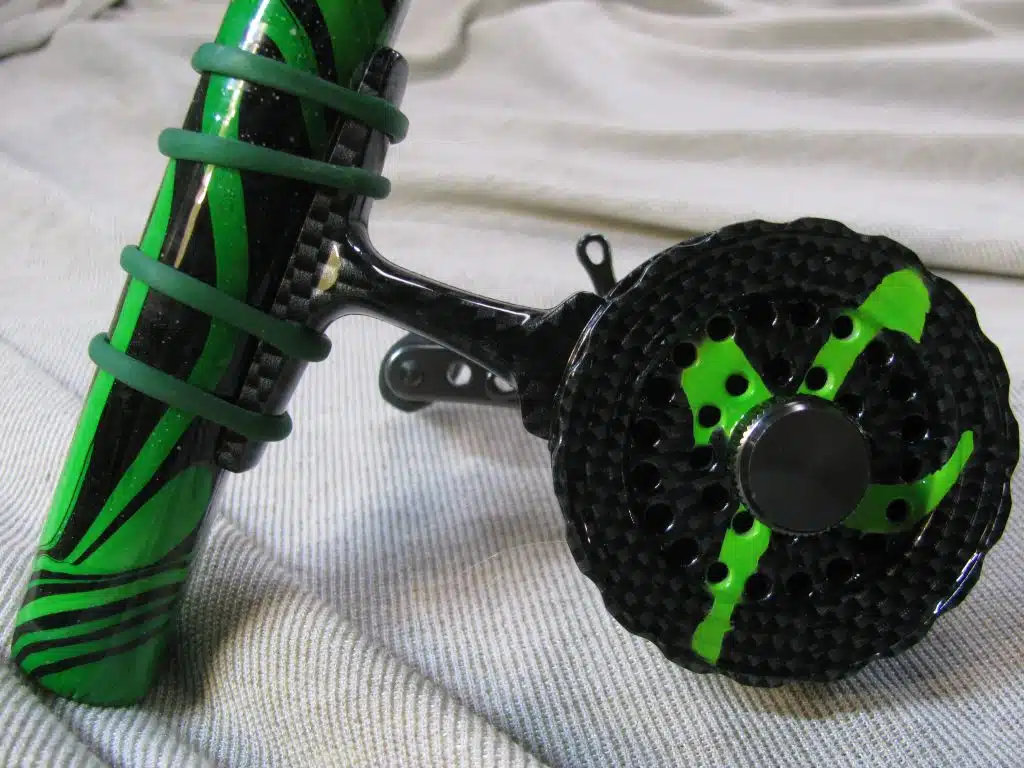
Carry rescue picks to pull yourself out in case of a fall. They’re inexpensive and can save your life.
Conclusion
Building an ice fishing rod is a rewarding challenge, and the results can elevate your fishing game during the coldest months. Whether you’re targeting panfish with a power noodle or jigging for lake trout in deep water, the right components and techniques make all the difference.
“Once you catch a fish on a rod you built yourself, you’ll be hooked,” Buzz says. “It’s a great feeling, especially through the ice.”
If you’re ready to start your ice rod journey, explore our Custom Rod Builders Directory.