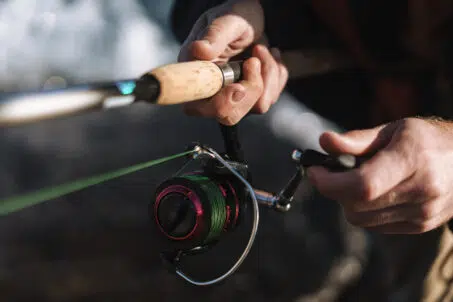
Fishing rods are expensive and fragile. Your rod’s tip is particularly vulnerable to damage, as you may have already learned. A damaged rod tip will significantly impact the performance of your rod at best, and spell the end of your day on the water at worst. Whether it’s a broken tip from an unfortunate accident, a bent tip from improper storage, or worn-out guides from extensive use, being able to identify these issues early can save you time and hassle. In this article, we’ll explore the common signs of a damaged fishing rod tip and provide a comprehensive guide on fishing rod tip repair.
By the end, you’ll know how to fix your rod tip using repair kits, and prevent damage in the first place, ensuring your fishing adventures remain smooth and successful.
Signs Of A Damaged Fishing Rod Tip
Recognizing a damaged fishing rod tip is essential for maintaining your gear and ensuring a successful fishing experience. Here are some signs to look for.
Broken Tip
One of the most obvious signs of a damaged fishing rod tip is a broken tip. A break in the tip can occur from accidental drops, impact with hard surfaces, or an errant car door or tailgate slam.
A broken tip is usually immediately noticeable as a splintered end where the top segment of the rod has snapped off. A rod with a broken tip is obviously out-of-action and in need of immediate attention.
Bent Tip
Bent tips are another common issue, often resulting from the rod being improperly stored or subjected to undue pressure. A rod with a bent tip is usually fishable, but you may notice decreased performance. You may notice “weird” casting and reduced sensitivity, making it harder to detect bites. You might also feel a change in the rod’s action, as the bend affects its ability to flex and respond correctly during casts and retrieves.

Worn-Out Guide
Worn-out guides are another subtle issue that can cause significant problems. The tip guide, being the most frequently used part of the rod, is prone to wear and tear over time. Signs of a worn-out guide include visible grooves or notches where the line has cut into the material, frayed or broken ceramic inserts, and rough or sharp edges that can damage the fishing line. If the line starts to fray, snap unexpectedly, or if you notice reduced casting distance, these could be indicators of a damaged guide. Additionally, worn-out guides can create friction, resulting in unusual noises like scraping or grinding when you reel in your line.
Braided fishing line is particularly bad about cutting grooves in fishing line thanks to its hardness, small diameter, and ability to trap
Fishing Rod Tip Repair Kits
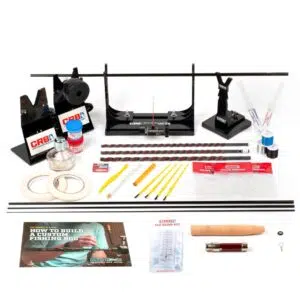
Once you know that your rod tip is broken, your most likely course of action will be to go out and buy a rod tip repair kit. These kits are designed to be user-friendly, and include everything needed to replace a broken or damaged rod tip.
A typical fishing rod tip repair kit usually includes a selection of replacement tips, which come in various sizes to fit different rod diameters. The kits also come with specialized adhesives, commonly epoxy or hot glue, designed to create a strong and durable bond between the rod and the new tip. Some kits may include a small heat source, like a mini torch or a lighter, to melt the glue or epoxy for a secure fit.

Many kits feature a file or sandpaper to smooth the rod’s end before attaching the new tip. This step ensures a clean and even surface, promoting a better bond and alignment. Some kits might include additional tools, such as a pair of pliers or a small cutting tool, to help remove the old, damaged tip.
Step-by-Step Guide To Repairing A Broken Rod Tip
Using a fishing rod tip repair kit is straightforward and can typically be completed in a few simple steps.
- First, you remove the old tip by gently heating it to soften the adhesive and then pulling it off with pliers.
- Next, you clean and smooth the end of the rod using the file or sandpaper provided.
- After selecting the appropriate size replacement tip, you apply the adhesive and attach the new tip to the rod, ensuring it is correctly aligned.
- Once the adhesive sets, your rod is ready for use.
Tips For Preventing Fishing Rod Tip Damage
While tip repair is pretty straightforward, an ounce of prevention is worth a pound of cure. Here are some practical tips to help you protect your rod tips:
Proper handling and storage of your fishing rods are essential to prevent tip damage. Always handle your rod with care, avoiding any sudden impacts or bending that could stress the tip. Be especially careful when closing car doors and tailgates, and always make sure that rods ride on top of heavier gear.
Using rod sleeves or covers is another effective way to safeguard your rod tips. These sleeves are made from soft, durable materials that wrap around the rod, providing an extra layer of protection against scratches, impacts, and other potential damage. Rod sleeves are especially useful when you need to carry multiple rods together, preventing them from tangling and hitting each other. Hard shell rod cases provide even more protection from drops, bumps, and slammed doors.

When storing your rods at home, make sure they are placed in a safe, secure location. Use a rod rack or stand that keeps them upright and separated, reducing the risk of accidental bumps or falls. Avoid leaning rods against walls or leaving them on the floor, as this can lead to tip damage if they are knocked over.
Be cautious when navigating through dense vegetation or rocky areas, as these environments can easily damage your rod tips. Use a rod holder or strap to keep your rod secure and out of harm’s way when hiking to your fishing spot. If you need to move through thick brush, hold the rod tip up and in front of you to avoid snagging it on branches or rocks.
Final Thoughts
In general, just be mindful of your surroundings and aware of potential hazards that could harm your rod tips. Whether you’re fishing, storing, or traveling with your gear, taking a little extra care can go a long way in preserving the condition of your fishing rods and ensuring they last for many seasons to come.