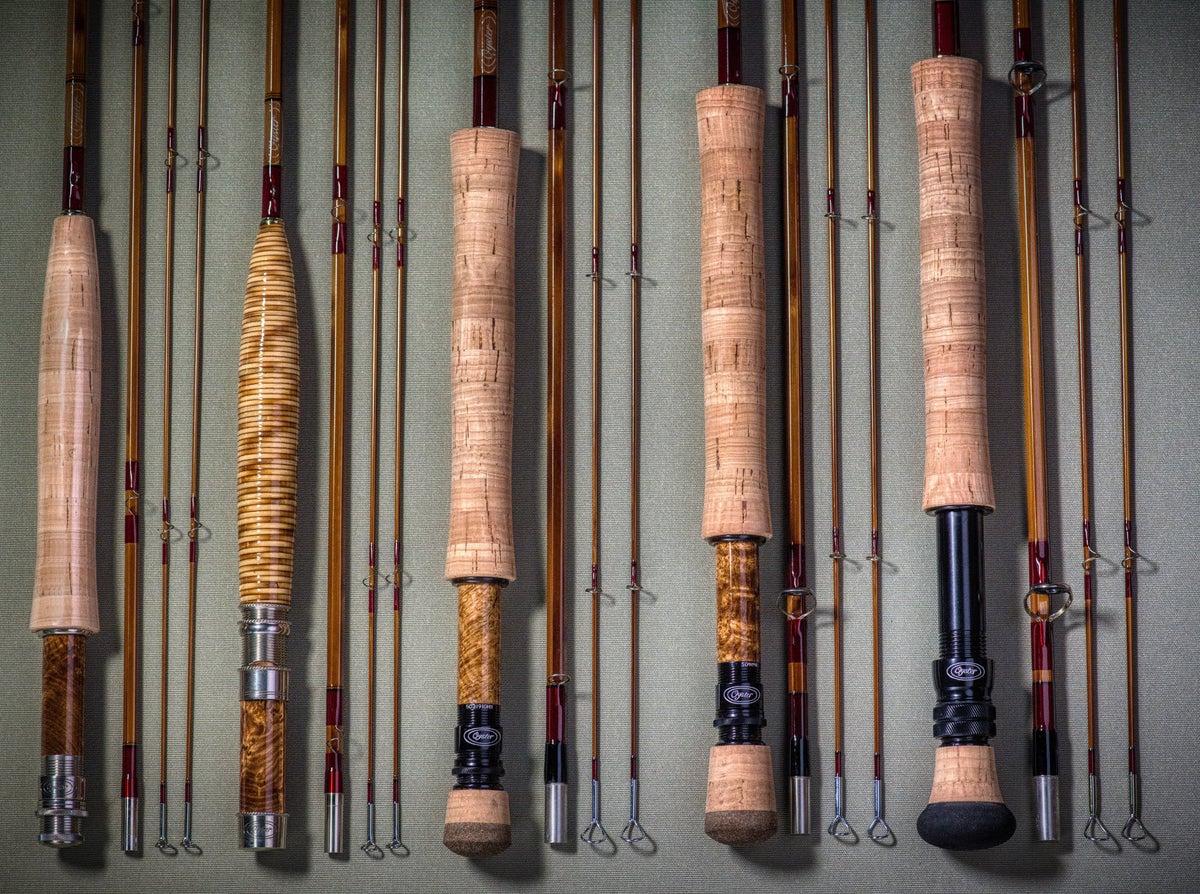
There is something that happens when a fishing tool becomes a true heirloom. Not because it is expensive, or rare, or old, but because it carries proof of work. Bamboo fly rods live in that space. They are equal parts material science, disciplined craftsmanship, and fishing culture. And when the conversation turns to modern split cane rods, one name comes up again and again: Bill Oyster of Oyster Bamboo Fly Rods in Blue Ridge, Georgia.
What makes the story worth telling is not just the rods. It is the way the craft is taught, shared, and pushed into places many anglers never associate with bamboo, including hard pulling saltwater species.
Why Bamboo Rods Still Matter
Modern graphite fly rods are incredible tools. They are light, powerful, and forgiving. Bamboo is different. It demands timing and rewards feel.
A key idea comes up repeatedly among anglers who move from graphite to cane: bamboo communicates. In plain terms, it teaches you what your cast is doing. As Oyster put it, “A bamboo rod will not tolerate that. It’s gonna make you cast it right, but it gives you so much feedback, because you can feel it when it goes right. You feel it when it goes wrong.”
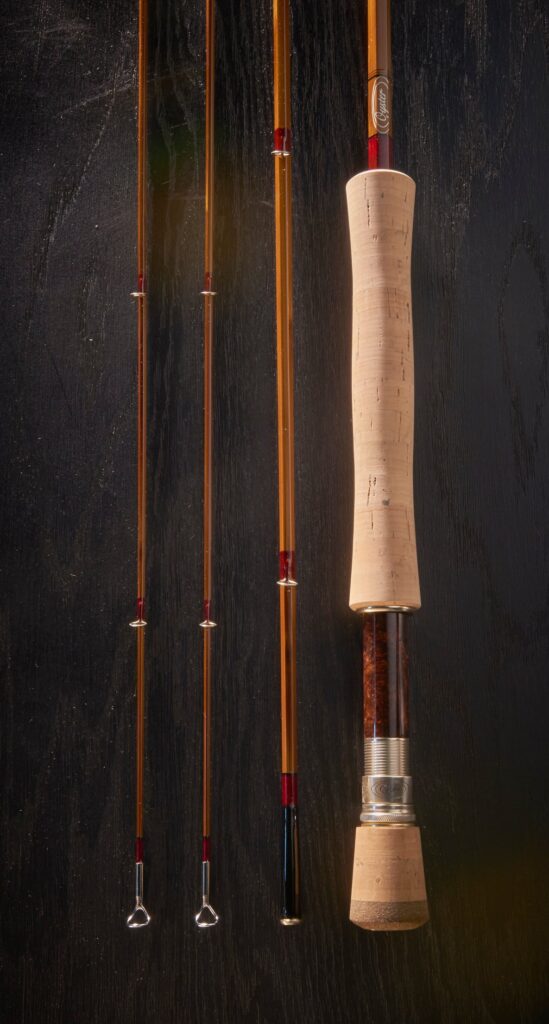
That feedback loop is why bamboo rods often become more than a novelty purchase. They become a way to improve, not just a way to fish.
One of Oyster’s favorite challenges to modern assumptions is simple: “If you want to be a good caster, fish only bamboo for one year, and then get back on your graphite rod, and you’ll be amazed what you can do with your graphite rod.”
The Myth of “Perfect” in Bamboo Rod Building
Bamboo rod building attracts detail oriented people. It also attracts perfectionists. The problem is that bamboo does not care about perfection, it cares about precision and consistency.
Oyster’s view is blunt and refreshing: “To this day, I don’t believe that more rods come out of our shop than anywhere in the world that I’m familiar with, and we’ve never made a perfect project. And I’ll let you know if it ever happens.”
That is not a disclaimer. It is a philosophy. Progress is the goal. Improvement is the standard. The craft stays alive because the maker never stops seeing the next thing to refine.
As he explained it, “The second you can’t see your flaws, you will never improve. As soon as you think you’ve done it, that means you’re done.”
How a Split Cane Bamboo Fly Rod Is Made
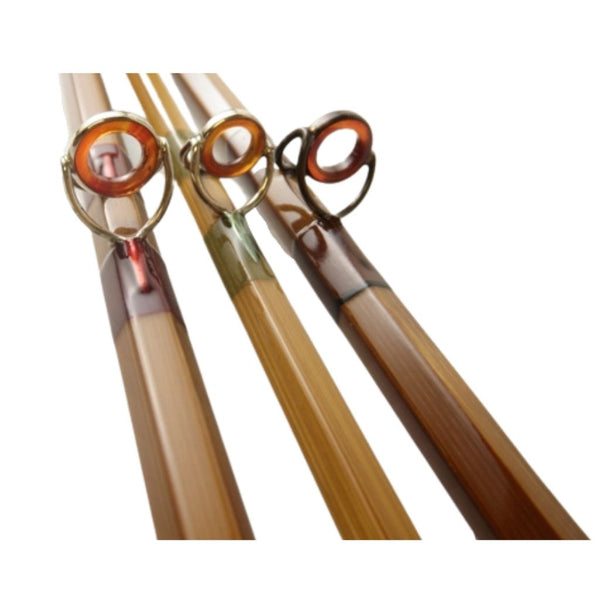
Many anglers know what it means to build a rod on a blank: fit a reel seat, shape a grip, wrap guides, finish the wraps. Bamboo rods require that, plus the entire blank is built from raw material first.
The process starts with Tonkin cane, the gold standard bamboo used in rod making for well over a century. Oyster describes it as a very specific supply chain: “It’s always the same Sui River valley of southern China, 30 to 40 square miles in the world, where it’s just forests of bamboo. It’s this particular species, and it’s natural habitat where it grows with the fiber density that gives us the strongest rod.”
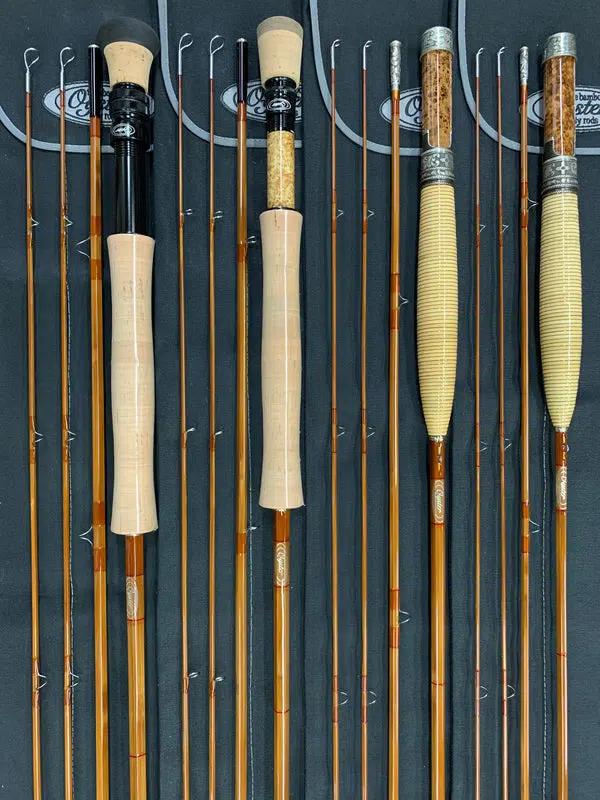
That matters because bamboo is not a uniform material. Some cane will build a rod, but Tonkin cane builds a rod that can handle modern fishing demands.
From there, the build follows a logic that feels almost impossible until you see it:
-
A culm, roughly 12 feet long, is split and organized by section so the lower portion supports the butt and mid, and the upper portion supports the tips.
-
The bamboo is split into narrow strips.
-
Each strip is shaped into a 60 degree triangle.
-
Six triangles are glued into a hexagon to form a solid section.
Oyster explained why the work always moves from the inside toward the outside: “You’re always cutting from the inside out, because the outermost fibers are your best. The inner fibers are your weakest.”
Then comes the precision that separates bamboo from most other rod building disciplines. The strips are planed in steel planing forms to extremely tight tolerances. Oyster put it in practical terms: “We’re able to plane within tolerances of plus or minus two one thousandths of an inch, which is about a third the width of a human hair.”
That is not obsessive. It is necessary. “The difference between a five weight and a six weight rod is only about three one thousandths of an inch,” he said. If you want a rod that truly casts as intended, you cannot be casual about dimensions.
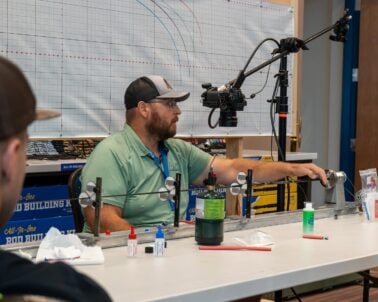
A Weeklong Bamboo Rod Building Class That Produces a Finished Rod
Most bamboo enthusiasts have the same initial roadblock: equipment cost, space, and time. Planing forms, heat treating setups, and the full tool chain can be overwhelming. That is one reason Oyster’s classes have become famous.
The premise is straightforward. Students arrive, choose a rod taper, and build a complete bamboo fly rod in six days.
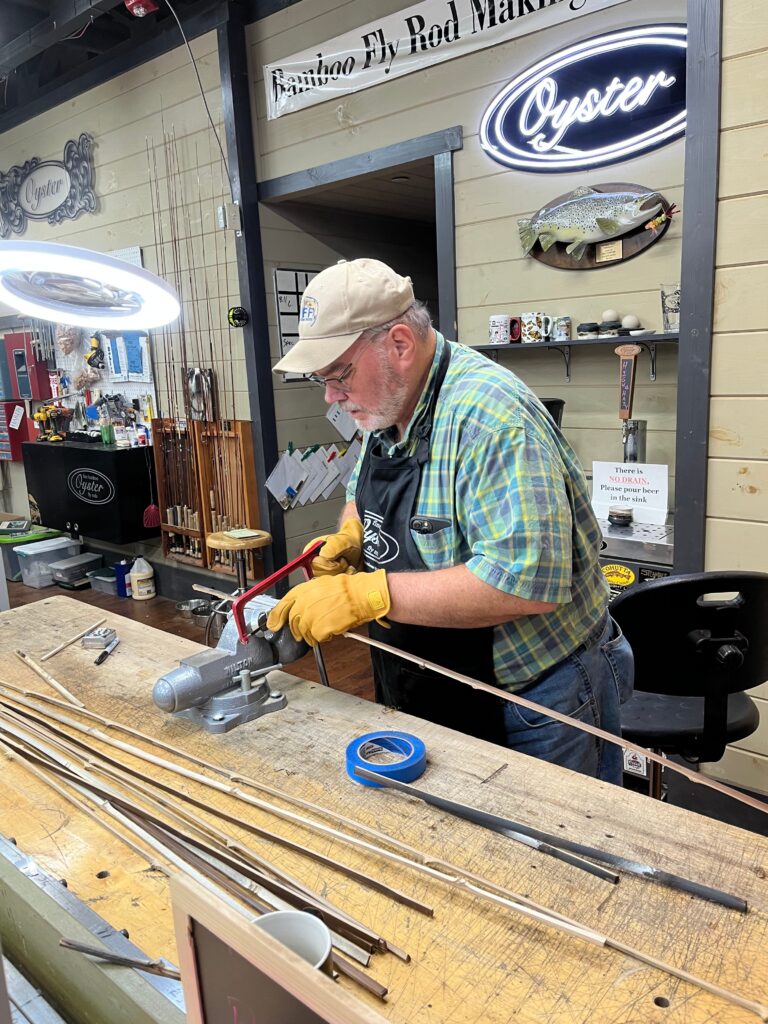
It is not a “go home and finish it later” experience. That detail matters more than many people realize. Oyster learned from watching how often projects stall once real life shows up. “I always listen to our customers,” he said, and that led to a key decision: students must leave with a finished rod.
The pace is intense but structured. In Oyster’s description, “We make that blank in the first three days, and then we spend the last three days putting on your hardware, installing your ferrules, wrapping your guides with traditional silk thread, and doing dip varnishing.”
The end result is not a partially completed kit. “At the end of the class, it’s 100% complete. You can take it to the river Sunday morning and go catch fish.”
Why So Many Students Come Back Again and Again
In most industries, repeat attendance at a skills class might raise questions. In bamboo rod making, it is a compliment.
Oyster’s repeat rate is shocking. “Every class that we teach, about a third of the class is repeat students,” he said. Some have taken the course dozens of times, including a student approaching their mid 30s in weeklong classes.
That is not because students fail to learn. It is because bamboo is deep, and because building a different rod is a different experience. Tapercraft, line weights, lengths, and intended fisheries change everything. Many students also come back for the community. “The week itself, to come and hang out with 10 guys that are all like minded, same goal, it’s turned into a whole thing on its own,” he said.
There is another factor that is easy to overlook: many attendees are not rod builders at all. They are people who spend careers behind a desk and want to make something real.
Oyster described it like this: “Most of our clients that come are not rod makers. They may have spent their whole career working on a computer, and they’ve never actually made a thing with their hands before. And now to achieve something like this, and to walk away with that, it just blows their minds.”
Bamboo in Saltwater, Not Just Small Trout Streams
A lot of anglers still picture bamboo as delicate, slow, and only appropriate for dry fly fishing on small creeks. That picture is outdated.
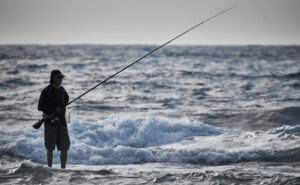
Oyster builds and fishes bamboo rods in the salt, and not as a novelty. He emphasized that performance comes first: “I absolutely, as a fisherman first, make sure our rods are up to the challenge, because it’s all I get to use.”
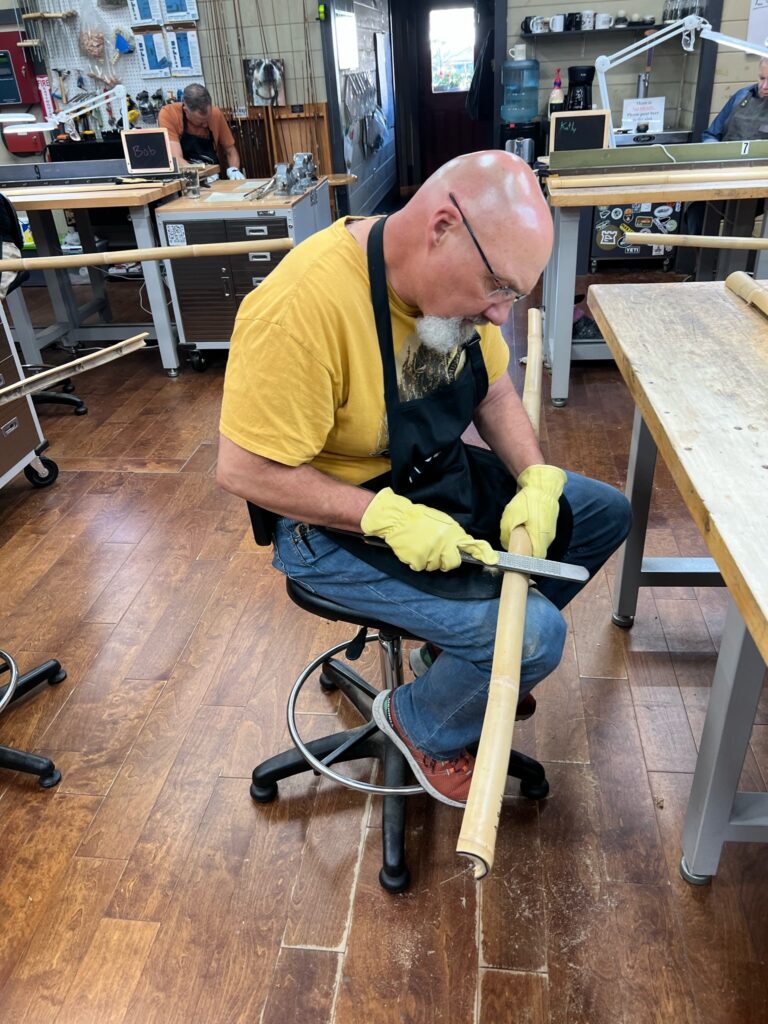
He also pushes against the assumption that bamboo equals overly soft, antique actions. Many classic bamboo rods were designed for older fishing styles, including swinging wet flies with open loops. Modern fishing often demands tighter loops, better line speed, and the ability to handle wind.
That is why his designs lean progressive: “Our rods are much more castable. The action, very progressive, stiff butt, light tip. Throw a tight loop if you want to, double haul it if you need to.”
If you are a redfish angler or a coastal fly fisher who has never considered cane, that is the point. Bamboo can be a serious saltwater fishing tool when it is built for the job.
From Rods to Engraving, and Why It Went In House
Oyster is also known for engraving, a detail that turns a fine rod into a personal artifact. That skill did not start as a lifelong plan. It started as a customer request and a logistics problem.
He tried outsourcing, and it became a bottleneck. He described the reality of it: “The rod is done, the big birthday party is coming up, and I’m waiting on the reel seat to show up, and it comes in last minute, but the butt cap’s engraved upside down.”
That kind of risk is not acceptable at the high end. The solution was simple. Bring it in house. “I sent myself to engraving school,” he said, and eventually expanded into advanced techniques, even teaching for a time.
Today, engraving is part of the shop’s capability, supported by additional specialists, but Oyster still handles the most complex work, especially scenes and fish.
A Short History Lesson: Split Bamboo as an American Craft
Bamboo rods often get mislabeled as old world, aristocratic gear. Oyster challenges that directly with history.
He pointed out that many early European rods were wood, not bamboo. They were long, heavy, and often cast two handed because the material demanded it. In tight Appalachian mountain streams, that approach failed.
In his words, “Guys started coming to the United States, completely undeveloped country. You’ve got this Appalachian Mountain chain running from Georgia to Maine, brook trout streams, tight covered up small fish. These 14 foot, two handed, six pound wooden rods, it just didn’t work.”
The split bamboo fly rod solved that. “Split bamboo fly rod is one of them,” he said, referring to elite crafts that can be credited to American origin. “It was invented here. It was perfected here.”
The Takeaway for Anyone Curious About Bamboo Rods
If you are bamboo curious, you do not have to start with a collector’s purchase or a lifetime of tools. You can start by understanding why the material still matters.
Bamboo fly rods are not about nostalgia alone. They are about feel, timing, feedback, craftsmanship, and building something that lasts.
And if you have never fished cane because you assumed it was fragile or slow, consider the modern perspective Oyster summed up through design philosophy and real fishing use. Bamboo is not a museum piece. It is a fishing tool, and in the right hands, it is a powerful one.
For more information on rods, classes, and the craft itself, Oyster Bamboo Fly Rods is based in Blue Ridge, Georgia.