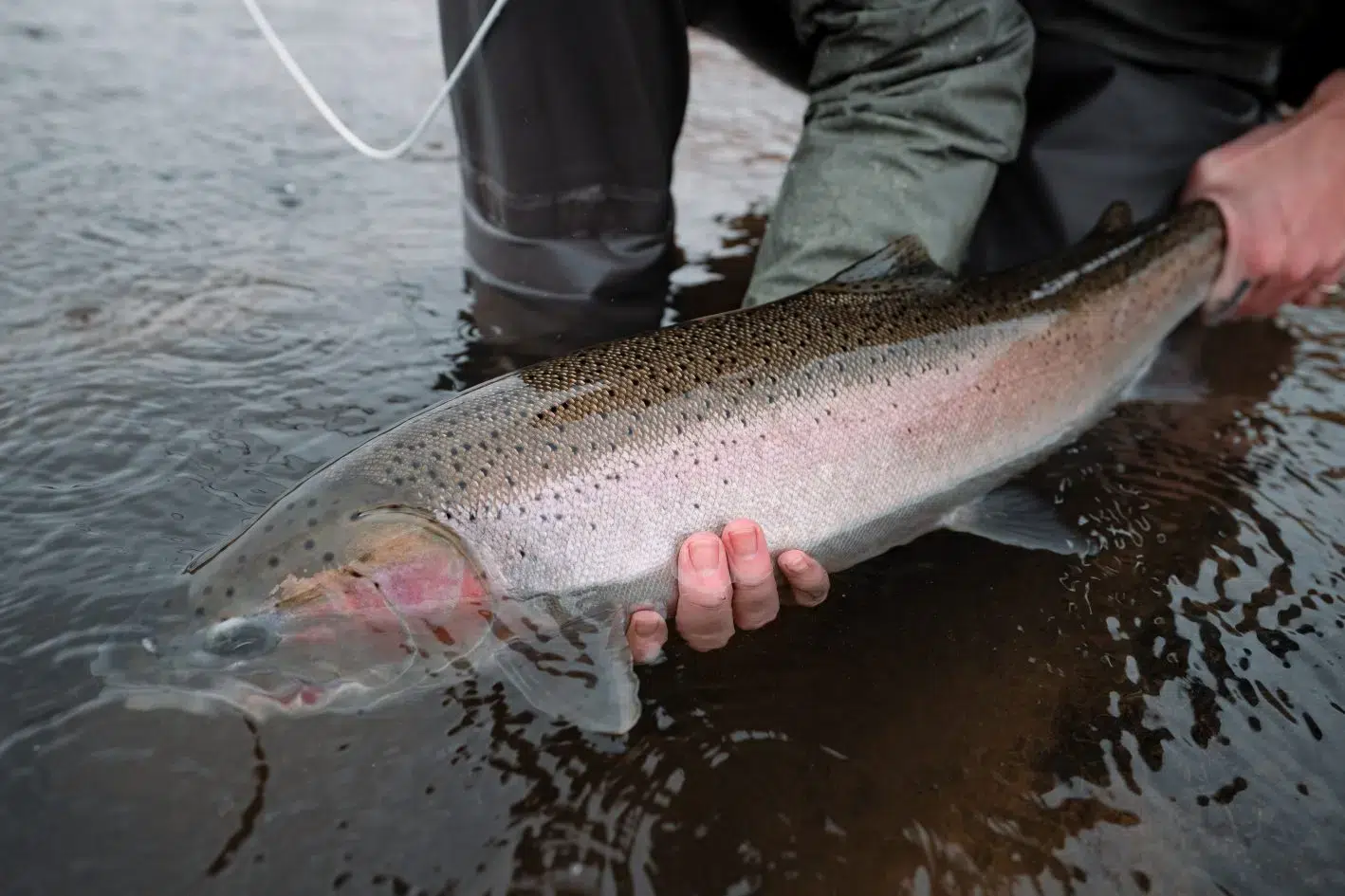
A steelhead rod has to do more than survive a hard fight. Before a fish ever takes the bait, that rod may need to transmit the faint tick of a sinker, keep line clear of conflicting currents, or pick up slack at the end of a long drift. The best choice depends on which of those jobs the angler needs it to do. For Roger Hinchcliff, the angler behind Steelhead Manifesto, choosing a rod begins with a question that is easy to overlook when shopping by length, price, or reputation.
“The first question needs to be, what technique?” he says. “You can use one rod and cover some techniques, but some are going to require a completely different tool.” Hinchcliff’s perspective comes from years of fishing both Great Lakes tributaries and West Coast rivers. His fishing began with bluegills in Michigan, then expanded as he explored the Huron River near his childhood home. Steelhead eventually became his favorite pursuit, and he learned to catch them with spinners, spoons, plugs, and drifting presentations before becoming deeply involved in float fishing. That variety matters when discussing rods. A long float rod and a shorter back-bouncing rod may both be built for steelhead, but they solve different problems. Choosing well means identifying the presentation first, then considering the river, the leader, and the conditions in which the outfit will be used.
Rods For Side Drifting And Back Bouncing
For side drifting and back bouncing, Hinchcliff identifies steelhead rods between eight feet six inches and nine feet six inches as a common starting point. These techniques put a premium on knowing what is happening beneath the surface. The angler needs to distinguish the sinker contacting bottom from a fish taking the bait, often while managing moving water and changing line angles.
“Out of all the techniques to catch steelhead, sensitivity is the most important deal when you’re side drifting or back bouncing,” he says. “You’re trying to feel the bite, but you’re also trying to feel the weight ticking the bottom.” In the side-drifting presentation he describes, the bait moves through a run while the angler maintains contact with the rig. Back bouncing generally sends the presentation downstream behind the boat, which may remain anchored or move slowly under controlled power while the angler works the weight along the bottom. Hinchcliff likes a baitcasting reel for back bouncing because he can release line readily as the presentation moves farther downstream. From an anchored position, he can work through a section of water, retrieve, and cover another path before moving the boat. A steelhead rod for that work needs to communicate bottom contact while remaining forgiving enough for the leader. Hinchcliff points to leader protection as another reason for the longer rods common in steelhead fishing, since a powerful fish in current can place considerable strain on light terminal tackle, making the rod’s ability to flex a crucial part of managing that load.
Choosing A Float Rod For Your River
Float fishing changes the priorities because rod length becomes particularly valuable in controlling the line between the angler and the float. Unwanted line drag can pull the rig out of its intended path or interfere with the presentation, so reaching farther with the rod allows the angler to lift and reposition line while the float continues downstream.
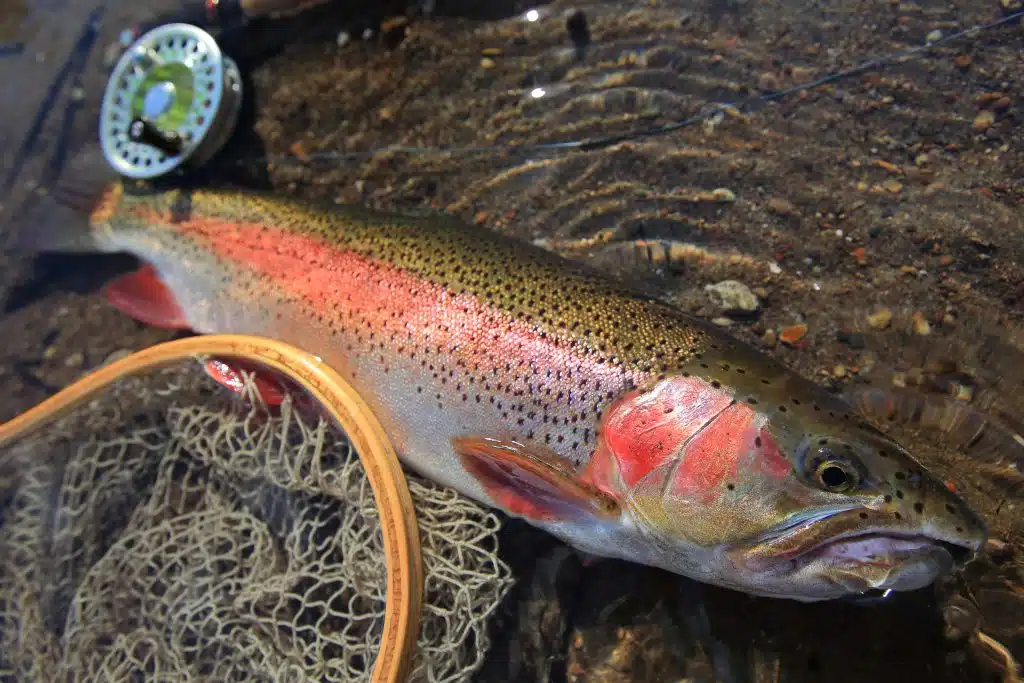
“The purpose of a 13-foot centerpin rod, for example, is I can cover longer water and I can lift that line up and mend it with ease,” Hinchcliff says. “More importantly, if the float does go down, I can pick the line up very quickly and set the hook.” That explains why a rod that seems unusually long to a bass angler can be a practical tool on a steelhead river, as length helps manage the drift and recover slack when a bite occurs well downstream rather than just providing extra casting distance. Hinchcliff discusses float rods from roughly 10 feet six inches to 13 feet, with some anglers using even longer rods like 15-foot models popular in parts of Canada and New York. Those lengths are options for particular situations rather than a reason to buy the longest rod available; on his home river, Hinchcliff can often accomplish what he needs with a 10-foot-six-inch or 11-foot-six-inch rod, whereas big water calls for the reach of a 13-footer to provide the required line control.
Matching The Reel And Action To The Presentation
The reel is part of that decision when selecting a steelhead rod. A centerpin uses a freely rotating spool that allows the current to draw line out during the drift. Most of the models Hinchcliff describes do not have a conventional drag, requiring the angler to control the spool directly to influence the presentation and manage a hooked fish. He also discusses slowing the float by checking the spool, a technique he calls trotting, which helps control how the bait travels through the water. A baitcasting reel offers another way to regulate line release with thumb pressure, and Hinchcliff uses spinning, baitcasting, and centerpin outfits according to the situation. Cold water makes that control especially important, as steelhead reluctant to move far for a bait require a presentation that passes close or stays in position longer.
“It becomes inches, a game of inches in the winter,” he says. The appropriate steelhead rod action must support that presentation while still handling the fish. For centerpin fishing, Hinchcliff describes a rod with a forgiving, progressive bend and usable power, where more of the rod participates in the fight as the load increases. That combination helps explain why choosing a steelhead rod solely by a power label can be misleading: the way the rod bends matters alongside how much force it takes to bend it.
Steelhead Rods For Spinners And Spoons
Throwing hardware calls for a somewhat different steelhead rod. Hinchcliff places many spinner and spoon rods around nine feet six inches to 10 feet, while noting that some dedicated spoon anglers prefer 10- or 11-foot rods. The length helps with casting, but these rods do not need the same degree of softness he favors for certain float presentations since the lure’s weight and resistance also need to suit the rod. This is where identifying the primary technique helps narrow the choices, as a steelhead rod selected mainly for controlling long float drifts may not be the most comfortable option for repeatedly casting and retrieving hardware despite some potential overlap.
Consider Your Leader Before Choosing Rod Power
Leader choice belongs in the conversation before the rod is selected. Hinchcliff describes Great Lakes anglers using leaders from four to 10 pounds, with eight-pound a common choice, while using leaders up to 20 pounds for West Coast trophy fishing. He encourages anglers to pay attention to actual diameter rather than relying entirely on the pound-test printed on the spool, aiming to preserve the presentation without giving up strength unnecessarily.
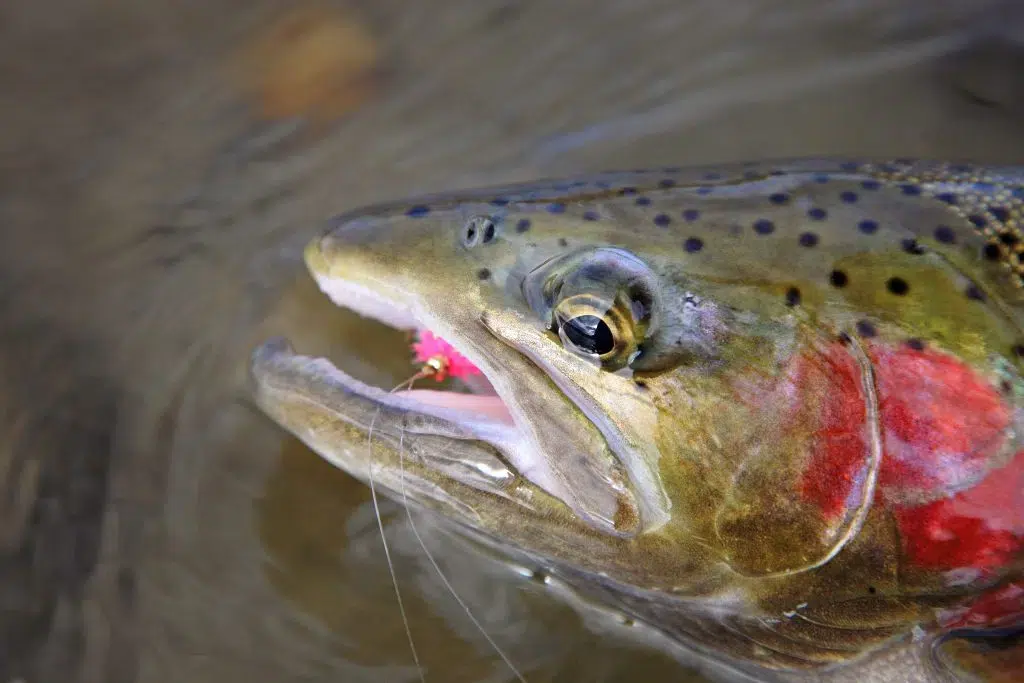
For the rod buyer or builder, that makes the intended leader an important part of the specification: an outfit designed around light leaders should cushion sudden surges while retaining enough authority to guide a fish, whereas a heavier presentation calls for a different balance to keep the rod, reel, and leader functioning together.
Guide Size And Line Choice For Winter Fishing
Winter weather introduces another consideration that is easy to miss indoors: guide size. A compact guide train may look appealing, but ice can quickly reduce the opening available for line to pass through, so Hinchcliff recommends discussing that issue explicitly when building a rod for a Great Lakes winter angler.
“Typically we want larger guides to help with ice,” he says. Larger guides do not prevent freezing, but they provide more room before buildup obstructs the line. Main-line selection changes with the weather as well; while Hinchcliff uses braid, water carried on the line creates problems when temperatures drop, leading him to turn to monofilament main line with a fluorocarbon leader for Great Lakes winter conditions. A rod intended for that setup should be planned around how it will actually be fished rather than assuming the same line will serve every season.
Finding The Right Steelhead Rod For Your Fishing
For anglers buying their first dedicated steelhead rod, Hinchcliff’s advice offers a way to narrow the choices without chasing a single supposedly perfect model. Someone who primarily drifts bait should prioritize sensitivity and leader protection, someone committed to float fishing should focus on line control and progressive action, and an angler who searches with spinners and spoons needs a rod suited to casting hardware. Although one rod may handle several duties well enough, Hinchcliff cautions against allowing familiarity with one technique to limit how an angler approaches the river, as changing conditions and fish responses often require different presentations.
The best steelhead rod is the one that helps make the intended presentation and then handles the fish on the tackle required to get the bite. Starting with how and where you fish makes identifying the useful length, action, power, and guide choices much easier.