Fishing rod ratings can be a source of confusion for many anglers. Manufacturers often use inconsistent terminology, which makes it difficult to compare rods accurately. This issue can frustrate both novice and experienced anglers when they attempt to find rods that meet their needs. The Common Cents System (CENTS) offers a solution, using a scientific approach to bring standardization and clarity to rod ratings.
What is the Common Cents System?
The Common Cents System (CENTS) was developed to create a consistent, objective method for measuring fishing rod action and power. Originally devised by Dr. William Hanneman, a gemologist and avid fisherman, the CENTS system measures rods using a simple, practical approach. Instead of relying on subjective terms like “heavy action” or “medium light,” the CENTS system uses measurable values, allowing anglers to objectively compare different rods across brands and categories.
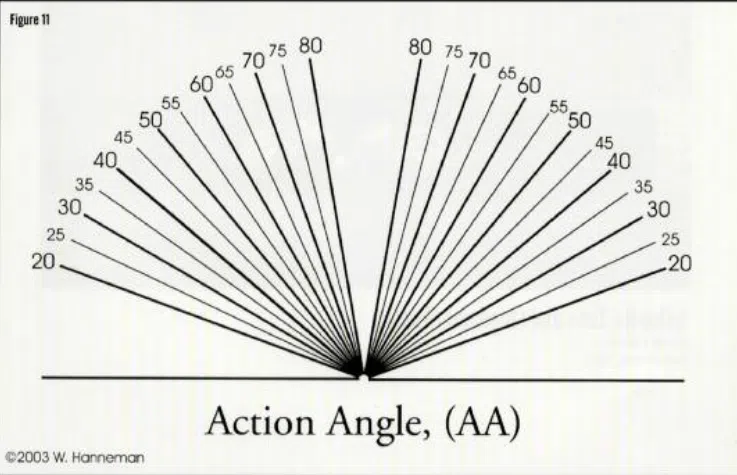
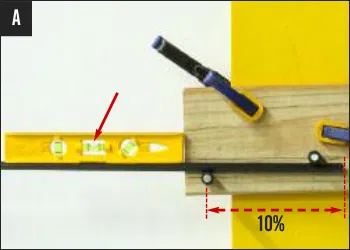
The system uses common U.S. pennies (minted after 1986 to ensure consistent weight) to measure the amount of deflection in a rod when a specific load is applied. By measuring the weight required to bend the rod tip to a point that’s one-third the length of the rod, the system provides a clear, numerical rating for rod power. Additionally, the angle at which the rod initially bends is measured to determine the action, which can then be compared across all rods, regardless of manufacturer.
Why Rod Ratings Matter
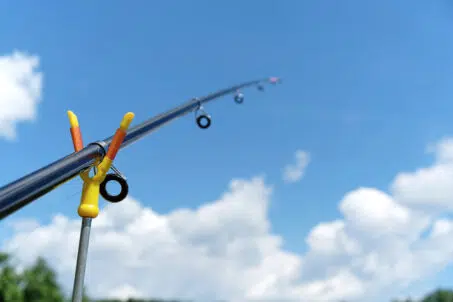
Rod power and action are critical aspects that affect an angler’s performance. Power refers to the rod’s stiffness and its ability to handle certain weights and lures. Action describes how far down the blank the rod flexes when under load. Faster action rods bend mostly at the tip, while slower action rods flex deeper along the blank. Both of these characteristics impact casting, hook-setting ability, and the overall feel of the rod when fishing.
Many anglers misunderstand these terms, sometimes confusing action with power, or assuming terms like “heavy action” exist—when in fact, they don’t. Such misconceptions can lead to choosing the wrong rod for specific fishing situations, resulting in poor casting accuracy or even rod breakage. Inconsistent ratings across manufacturers further complicate these choices, leading to frustration.
How CENTS Standardizes Rod Ratings
The Common Cents System brings clarity by measuring both power and action in a step-by-step, objective way. Here’s how it works:
- Rod Power: The rod is deflected to a point equal to one-third of its total length, and pennies are added until this deflection is achieved. The number of pennies is then converted into an Effective Rod Number (ERN), which provides an accurate measure of the rod’s power.
- Rod Action: Action is measured by calculating the angle at which the rod initially flexes under a load. Known as the Action Angle (AA), this angle determines whether a rod is classified as fast, moderate, or slow action. The larger the angle, the faster the action of the rod.
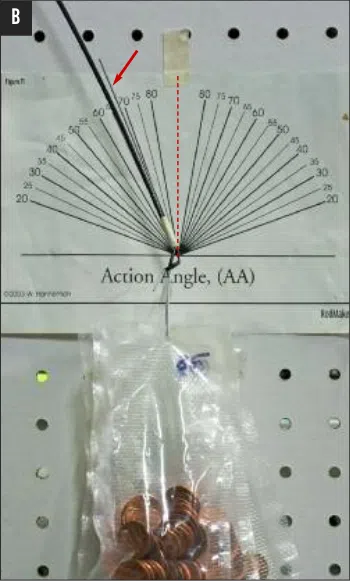
By using pennies—a universally accessible tool—the CENTS system simplifies the process and eliminates the need for specialized equipment. Rod builders and anglers alike can measure and compare rods with ease, regardless of the brand or rod type.
Benefits of Using the CENTS System
The CENTS system offers multiple benefits to both anglers and the fishing industry. For one, it creates consistency across brands and models, making it easier for anglers to choose rods that meet their specific needs without having to rely on unclear manufacturer ratings. By offering objective, numerical ratings, anglers can make better-informed purchasing decisions, reducing the guesswork in finding the right rod for their technique or style of fishing.

Furthermore, if widely adopted, CENTS could become an industry standard, benefiting manufacturers by streamlining the way they classify and market rods. It would also empower anglers with clearer information, leading to more satisfying fishing experiences and less frustration.
Challenges in Implementing CENTS
Despite its advantages, the CENTS system faces challenges in gaining widespread adoption. Resistance from manufacturers is a primary hurdle, as many brands prefer to maintain their proprietary rating systems. Some may fear that adopting CENTS could reveal inconsistencies in their current ratings, which might impact sales. There are also concerns about the cost and accessibility of implementing a new system, particularly for smaller companies that may lack the resources to integrate CENTS into their processes.
The Future of Rod Ratings
Looking ahead, the widespread adoption of the CENTS system has the potential to revolutionize the fishing industry. By creating a universal standard, it would make rod selection more straightforward for anglers, eliminate confusion, and set a higher bar for transparency. There is also the possibility for collaborations between CENTS advocates and manufacturers, driving a shift towards standardized rod ratings.

For this to happen, however, the fishing community needs to demand better rating systems. By showing interest in the CENTS system, anglers can encourage manufacturers to adopt it, ultimately improving the rod selection process for everyone involved.
Final Thoughts
The Common Cents System represents a significant improvement over traditional, inconsistent rod rating methods. By offering a scientific, objective, and accessible approach, it simplifies the process of comparing fishing rods and ensures that anglers get the performance they expect. As both anglers and manufacturers recognize the value of the system, the fishing industry may move toward greater standardization, benefiting all parties involved. For now, anglers should support efforts like CENTS and advocate for better, clearer rod rating systems.