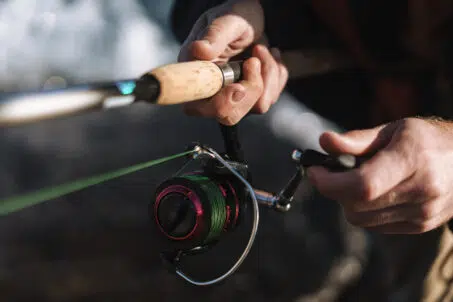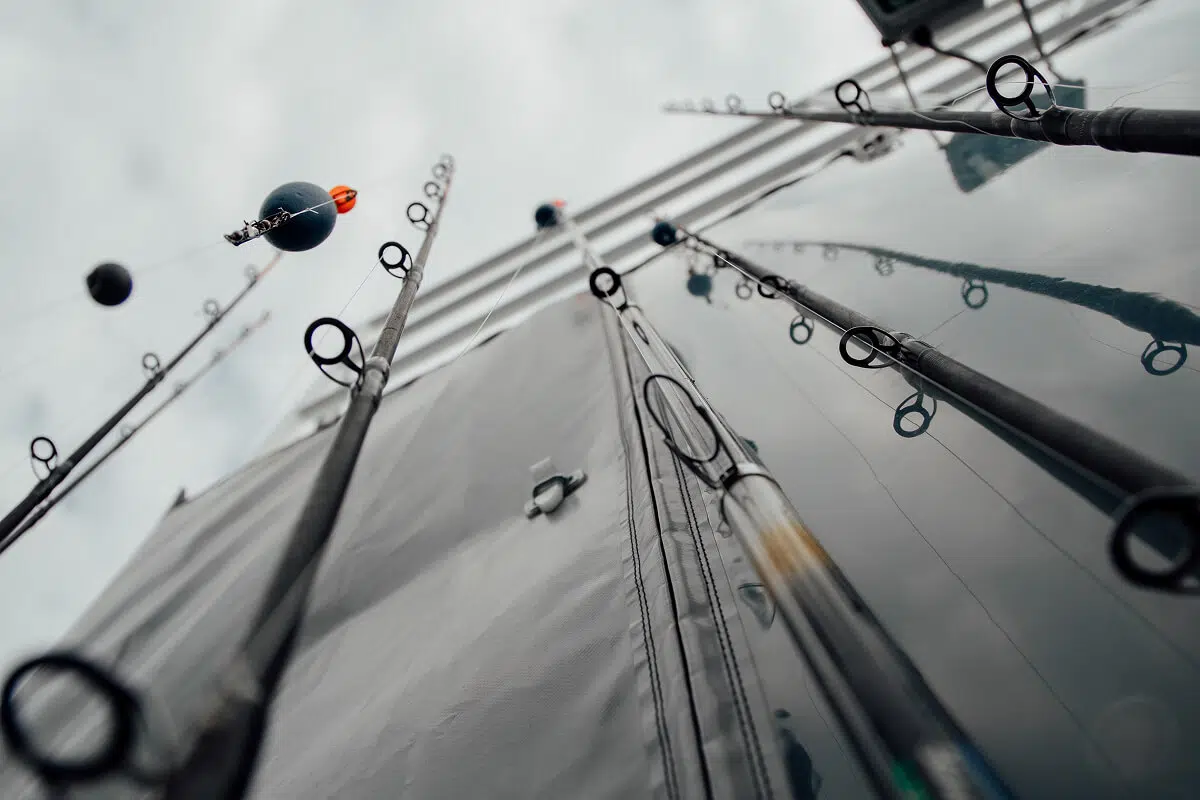
Fishing rod guides are one of the most important components on any fishing rod, yet they are also one of the least understood by many anglers. Customers often recognize when a guide is bent, cracked, damaged, or missing, but far fewer understand how guide selection affects casting consistency, line flow, rod balance, durability, and long-term performance. For specialty tackle shops, this creates an important opportunity because guide-related questions appear constantly across repairs, custom rod work, braided line setups, saltwater corrosion problems, and general rod maintenance conversations.
The difference between a general sporting goods retailer and a knowledgeable tackle shop often becomes obvious during these discussions. A customer may walk in saying the rod suddenly feels rough during retrieves, casting distance has changed, braided line keeps fraying unexpectedly, or something near the tip “doesn’t look right anymore.” In many cases, the guide system is the actual problem, even if the customer cannot identify it immediately. This is where experienced retail support becomes valuable because the conversation is no longer about simply locating a replacement part. It becomes about diagnosing a fishing problem and helping the customer restore confidence in equipment they already trust.
The strongest specialty retailers do not approach guides as miscellaneous replacement hardware hanging randomly on a wall. They treat them as part of a broader support category tied directly to rod performance, repair work, line management, and long-term customer trust. When staff understand the basics clearly, guide recommendations become easier, repair conversations become more productive, and customers leave with greater confidence in both the repair and the shop itself.
Why fishing rod guides affect more than most customers realize
Rod guides control how fishing line travels during both casting and retrieval, which means they directly influence smoothness, friction, sensitivity, stress distribution, and overall rod feel. Small guide problems often create much larger fishing frustrations because line movement is affected constantly throughout every cast and retrieve.
Customers rarely describe guide problems in technical language. They usually explain symptoms instead. An angler may notice reduced casting distance, strange vibration during retrieves, unusual line wear, increased casting noise, or repeated break-offs under pressure. Braided line setups tend to expose guide problems even faster because braid has very little stretch and reacts more aggressively to rough or damaged surfaces. A cracked insert that may go unnoticed with monofilament can become obvious very quickly when braid begins fraying repeatedly at the same point.
This is why guide conversations are usually more successful when retailers focus on real fishing situations instead of overloading customers with technical terminology. Most anglers are not asking about frame metallurgy or ceramic composition. They simply want to understand why the rod suddenly feels different and whether the problem can be repaired properly. Retailers who can connect those symptoms back to guide condition create stronger customer trust because they help simplify a problem that initially feels confusing or frustrating.
Understanding the basic parts of a rod guide helps retailers explain repairs more clearly
Most fishing rod guides consist of three primary sections: the frame, the insert or ring, and the foot attaching the guide to the rod blank. While many customers focus only on guide size, experienced builders and repair-focused retailers usually think about the full guide system because each part influences performance differently.
The frame provides structural support and influences long-term durability, stability under pressure, and corrosion resistance. The insert controls how smoothly line passes through the guide during casting and retrieval, which directly affects friction and line wear. The foot determines how securely the guide attaches to the blank during wrapping and finishing work. Damage to any of these areas can affect rod performance differently depending on how the rod is being used.
| Guide Element | Primary Function | Why It Matters |
| Frame | Supports the guide structure | Influences durability and corrosion resistance |
| Insert or ring | Controls line movement | Affects friction, casting smoothness, and line wear |
| Foot | Secures the guide to the blank | Influences wrapping stability and long-term reliability |
For retailers supporting repairs, understanding these differences creates much better conversations at the counter. A bent frame may still allow the rod to function temporarily, while a cracked insert can damage line almost immediately. A corroded guide may appear cosmetic at first but eventually weaken enough to fail under pressure. Being able to explain these differences clearly helps customers make more informed decisions about repairs and replacements instead of treating every guide issue the same way.
Guide damage is one of the most common repair problems specialty shops encounter
Guide damage appears constantly in tackle shops because guides absorb repeated stress during transport, storage, casting, hook removal, and day-to-day fishing use. Some problems are obvious immediately, such as bent frames or missing inserts, but many guide issues are subtle enough that customers struggle to identify the source of the problem themselves.
A small crack inside a guide insert may repeatedly fray braided line without being visible at first glance. Slight frame misalignment can affect line flow and casting consistency long before the customer notices obvious structural damage. Saltwater corrosion often weakens guide frames gradually over time, particularly when rods are stored wet or cleaned inconsistently after use. In many situations, customers only realize something is wrong after performance changes noticeably on the water.
This is one reason specialty tackle shops hold an advantage over general retailers in repair situations. An experienced employee can often inspect the rod quickly, identify likely guide problems, and explain whether the issue requires a simple replacement, broader repair work, or full guide replacement across multiple positions on the rod. That kind of practical guidance builds trust because customers feel like someone actually understands the problem instead of simply selling parts blindly.
Shops supporting rod repair usually benefit more from carrying practical replacement inventory tied to local fishing conditions and common rod styles than from attempting to stock every possible guide variation available. Organized assortments tied to spinning rods, casting rods, saltwater setups, common freshwater applications, and basic repair work tend to create much more useful retail support than oversized inventory no one feels confident explaining.
Guide size changes rod behavior more than many customers expect
Guide size affects how line travels through the rod during casting and retrieval, which means different rod categories require different guide layouts depending on reel type, line choice, and fishing application. Spinning rods usually begin with larger reduction guides closer to the reel before transitioning into smaller running guides farther up the blank. Casting rods generally follow a lower-profile path because line leaves the reel differently and requires less dramatic line reduction.
For many customers, guide size only becomes important during repair situations. Someone replacing a damaged guide often needs help determining whether the replacement should match the original size exactly or whether another option makes more sense for the rod’s intended use. This is especially common when older rods contain outdated guide styles or when previous repairs were completed incorrectly.
Retailers who understand these situations can simplify the process significantly. The goal is rarely to overwhelm customers with technical measurements or engineering detail. The goal is to restore proper rod function confidently while helping the customer understand why the replacement matters. This is where organized inventory and practical retail knowledge become far more valuable than simply having a large number of guide options on display.
Braided line changed how anglers evaluate guide quality
Braided fishing line changed customer expectations around rod guides because braid exposes rough surfaces and damaged inserts much faster than traditional monofilament setups. Since braid has minimal stretch and moves aggressively under tension, even small guide imperfections can become noticeable quickly through line wear, noise, vibration, or repeated fraying.
This shifted many repair conversations inside specialty tackle shops. Anglers using braid heavily often pay closer attention to guide condition because the effects become obvious faster on the water. Retailers supporting braid-focused customers therefore tend to place greater emphasis on guide consistency, smoother inserts, and reliable long-term performance across high-use applications.
These conversations are usually most effective when tied directly to fishing situations rather than broad marketing claims. An angler fishing heavy braid around structure or saltwater environments generally understands the importance of durability once the connection is explained practically. This creates stronger customer understanding because the recommendation feels tied to real use instead of sales language.
Saltwater environments place much heavier stress on guide systems
Saltwater fishing environments create additional pressure on guide systems because corrosion affects both appearance and long-term structural reliability. Frames exposed repeatedly to harsh saltwater conditions can weaken gradually over time, especially when rods are cleaned inconsistently or lower-quality materials are used heavily in demanding environments.
In many cases, corrosion first appears cosmetic before eventually becoming structural. Customers may notice discoloration, roughness, or pitting before the guide actually begins weakening under fishing pressure. For coastal retailers, surf-focused tackle shops, and offshore fishing environments, this makes corrosion resistance one of the most important parts of guide recommendations.
Customers fishing saltwater consistently tend to value long-term reliability heavily because guide failure during active fishing situations creates far greater frustration than modest differences in upfront cost. Retailers serving these markets therefore benefit from organizing guide conversations around durability and fishing conditions rather than focusing primarily on price alone.
Organized guide inventory creates smoother customer experiences
One reason rod guide categories struggle in some retail environments is poor organization. When guides are grouped randomly, both customers and staff become hesitant during repair conversations because the category already feels confusing before the discussion even begins.
The stronger retail environments usually organize guides around practical customer needs instead of supplier catalog structure. Spinning rod repairs, casting rod repairs, braid-focused setups, saltwater applications, beginner repair products, and replacement tip-top matching all create more intuitive starting points for customer conversations.
This approach helps reduce intimidation around technical categories. Many anglers are willing to learn basic rod repair concepts when the products feel approachable and logically arranged. It also improves staff confidence because employees can locate products more quickly and explain category differences more naturally during busy periods.
| Customer Situation | Common Guide Concern | Retail Support Opportunity |
| Braided line wear | Damaged or rough insert | Inspect guides and recommend replacements |
| Saltwater corrosion | Weakening frame structure | Recommend corrosion-resistant guide systems |
| Broken guide during transport | Matching replacement guide | Help identify size and application |
| Custom rod build | Guide family selection | Recommend consistent guide systems |
| Casting inconsistency | Bent or damaged guides | Inspect line path and guide alignment |
The shops that perform best in this category usually treat guide inventory as part of a broader repair-support identity rather than isolated replacement parts. Customers remember the stores that solved a problem clearly and confidently.
Recognized guide systems simplify technical recommendations
Technical categories become easier to support when customers already recognize the guide systems being discussed. This is one reason many experienced rod builders and specialty retailers prefer working with established guide families rather than constantly switching between unrelated products with inconsistent sizing and application logic.
Fuji Rod Components are widely recognized throughout rod-building and specialty fishing environments because many anglers and builders already associate them with consistency, durability, and long-term reliability across different rod applications. For retailers, that familiarity helps simplify recommendations because experienced customers often arrive already understanding the guide family or setup they want.
For approved trade accounts, Anglers Resource supports access to Fuji Rod Components alongside repair-focused products, guide assortments, and technical retail categories connected closely to rod repair and specialty fishing support. The larger opportunity for independent tackle shops is not simply carrying premium guide inventory. It is becoming known locally as the shop capable of explaining, supporting, and repairing these systems confidently.
Specialty retailers compete through knowledge, not shelf size
Large retailers may always carry broader inventory overall, but specialty tackle shops compete differently. They compete through repair support, technical guidance, customer trust, and practical fishing knowledge that customers cannot easily get from a large general retail environment.
Rod guides are a strong example of this because guide-related problems usually require explanation rather than simple shelf browsing. Customers want help understanding why a guide failed, whether the rod is worth repairing, and which replacement option makes the most sense for how they fish.
Retailers who can answer those questions clearly create stronger long-term relationships with anglers because they become associated with useful expertise instead of simply product availability.
That is ultimately why fishing rod guides matter so much in specialty retail. They are not simply technical components attached to a rod blank. They are part of the repair conversations, fishing problems, and customer-support situations that allow independent tackle shops to compete through trust, practical guidance, and real-world fishing support rather than pure inventory size alone.